Quick Snapshot
“Ever wondered why some travel clothes get worn again and again while others stay forgotten in the suitcase? Discover how custom clothing can improve fit, versatility, durability, repairability, and everyday use—helping travelers build smarter wardrobes that work harder and last longer.”
A travel wardrobe has a peculiar problem: it must do more with less. A traveler may need clothing for a hot afternoon, a cold flight, a formal dinner, a long walking day, a religious site, and a sudden change in weather—all while carrying everything in one suitcase.
That pressure can lead to the opposite of what sustainable fashion requires. Travelers buy outfits specifically for a destination, pack clothes that do not coordinate, replace uncomfortable pieces during a trip, or purchase garments that look appropriate in photographs but rarely get worn again.
Custom clothing can offer a more intelligent alternative, but only when customization is used to solve genuine problems rather than simply create more garments.
The sustainability case for custom travel fashion is therefore not that “made-to-measure” automatically means environmentally friendly. Its potential comes from something more practical: designing clothing around the person, the journey, and the garment’s expected life so that each piece is useful more often, remains desirable longer, can be maintained, and does not need to be replaced unnecessarily.
The Travel Wardrobe Problem: Too Many Needs, Too Few Uses
Travel exposes weaknesses in conventional clothing more quickly than everyday life.
A traveler might own several shirts at home, yet discover that none are comfortable enough for a 12-hour journey. A pair of trousers may look good but lack a secure pocket for a passport. A dress purchased for a beach destination may be inappropriate for a conservative cultural setting. A jacket may work in a cold climate but be too bulky to justify carrying when temperatures vary throughout the trip.
These are not merely fashion inconveniences. They influence whether a garment gets used.
A garment that performs poorly during travel can become a low-use item. If it is uncomfortable, difficult to coordinate, unsuitable for the climate, or too specialized for one destination, its useful life may be much shorter than its physical lifespan.
This is why the way a garment is designed and used matters. Keeping clothing useful for longer, and making it easier to repair, reuse, and retain, is an important part of a more circular approach to textiles.
Custom clothing can intervene at the beginning of that process. Rather than wondering “what clothing is already available for the trip?”, the traveler can ask, “What clothing will solve several travel needs and continue working after this trip?”
Custom Fit Solves a Bigger Problem Than Appearance
The sustainability value of a custom fit is often misunderstood. The obvious benefit is appearance, but the more important question is wearability.
Travel clothing has to tolerate prolonged sitting, walking, climbing stairs, carrying luggage, repeated movement, and changes in temperature. A garment that pinches at the waist, restricts the shoulders, pulls across the hips, or has an unsuitable length may be technically wearable but practically uncomfortable.
Custom construction allows the garment to be adjusted to individual measurements and intended movement. A traveler with longer arms, a shorter torso, broader shoulders, or proportions poorly served by standard sizing can have those requirements incorporated into the design.
This does not prove that every custom garment will last longer than ready-to-wear clothing. Durability still depends on fabric, construction, care, and use. But a better fit can address a basic barrier to practical use: the garment does not feel right to wear.
The value of custom fit, therefore, is not simply aesthetic. It can make a garment more suitable for the physical demands of travel and more useful across the situations for which it was designed.
Design Custom Garments for Multiple Travel Situations
The strongest custom travel pieces are not designed around one photograph, one occasion, or one destination. They are designed around multiple uses, allowing the same garment to adapt to different parts of a journey.
Consider a traveler taking a two-week trip through several climates. Instead of packing separate outfits for every scenario, a custom wardrobe might include lightweight trousers that work for daytime sightseeing and evening meals, a shirt suitable for both casual and semi-formal settings, and a lightweight over shirt that functions as a layer on a plane and as outerwear in the evening.
The important design decisions are functional:
– material thickness suited to the local weather;
– a cut that allows comfortable movement;
– pockets positioned around real travel needs;
– colors that coordinate with several other pieces;
– lengths and silhouettes suitable for different settings;
– construction capable of repeated wear and washing.
This creates a form of wardrobe efficiency. One garment can serve several recurring needs without forcing the traveler to buy a separate piece for every situation.
That does not mean travelers should minimize clothing at all costs. A garment that cannot perform its intended function should not be forced into a capsule wardrobe simply to reduce the number of pieces. The objective is higher usefulness per garment, not an arbitrary low garment count.
Multi-Climate Trips Make Custom Layering Especially Valuable
A single trip can involve dramatically different conditions.
Imagine leaving a cold city in the morning, spending a long flight in an air-conditioned cabin, arriving in a hot destination, and later traveling into a cooler mountain region. Packing separate clothing systems for every condition quickly consumes luggage space.
Custom design can address this through layering. A lightweight base layer, breathable shirt, adaptable overshirt, and compact outer layer can be specified to work together. Instead of relying on one heavy garment to handle every temperature, the wardrobe can be designed as a combination of pieces that can be added or removed as conditions change.
The same shirt, for example, can function independently in warm weather and underneath another layer in cooler conditions. This makes the clothing system more adaptable without requiring separate wardrobes for each climate.
Fabric selection also becomes important in this context. The appropriate material is not necessarily the one marketed as the “greenest,” but the one whose durability, comfort, drying behavior, washing requirements, climate suitability, and expected lifespan fit the actual journey.
Cultural Requirements Should Be Designed Into the Garment
Travel also creates situations where clothing needs to meet cultural or religious expectations.
Buying a destination-specific outfit immediately before a trip can solve the short-term problem but may create a long-term one if the garment has little relevance after returning home.
Custom clothing allows the requirement to be incorporated into a more versatile design.
For example, a traveler visiting destinations where greater coverage is expected might choose longer proportions, adjustable features, layering pieces, or silhouettes that provide appropriate coverage without making the garment exclusively “travel clothing.”
This is a better approach than creating a wardrobe divided into permanent categories such as “home clothes” and “destination clothes.”
The design objective becomes adaptability: make the garment respectful of the destination while retaining enough everyday usefulness to justify continued wear afterward.
Fabric Choice Should Follow the Garment’s Life, Not a Marketing Label
“Sustainable fabric” is not a sufficient sustainability strategy.
Every textile material has trade-offs. Natural fibers involve agricultural land, water, and other inputs; synthetic fibers involve fossil or other feedstocks and energy-intensive production. The important question is not simply whether a material carries a sustainability label, but whether it is appropriate for the garment’s intended use.
For travel clothing, the better question is:
Will this fabric perform well enough in the conditions where the garment will actually be used, and can it remain in service for a long time?
A fabric for frequent travel should be evaluated for abrasion resistance, dimensional stability, comfort, drying behavior, and repair-ability. A technically “eco-friendly” material that quickly becomes uncomfortable or unsuitable may create little sustainability benefit if the garment is abandoned early.
The smarter custom approach is therefore not to chase a fashionable fabric label. It is to select materials according to function, longevity, maintenance, and the garment’s entire lifecycle.
Physical Durability and Emotional Durability Both Matter
A garment can survive physically and still become waste.
Imagine a perfectly intact travel jacket that its owner stops wearing because the style feels dated, the color no longer works with the wardrobe, or the garment has become associated with a single old trip.
Physical durability and emotional durability therefore both matter.

A garment needs to withstand wear, but it also needs to remain relevant and desirable enough for the owner to continue using it. The Ellen MacArthur Foundation identifies both forms of durability as important considerations when designing products to be used more and for longer.
Custom clothing can contribute to emotional durability through personalization. A traveler may choose a silhouette they genuinely prefer, a color that works with an existing wardrobe, or details that reflect how they actually dress. These choices do not guarantee that a garment will remain desirable, but they can give it greater personal relevance beyond a particular trend, occasion, or trip.
Physical durability remains equally important. Strong construction, appropriate materials, and the ability to withstand repeated use can help a garment remain functional as preferences and circumstances change.
The strongest design therefore combines physical resilience with long-term personal relevance, allowing a garment to remain valuable even when its original context changes.
Build Repair ability Into the Garment Before It Needs Repair

Repair is often treated as something that happens after clothing has failed. Sustainable design treats it as something that should be anticipated from the beginning.
For travel garments, this is especially important. Repeated packing, washing, friction from luggage, and frequent wear can place stress on seams, buttons, hems, waistbands, and pockets.
A custom maker can discuss these likely stress points before production. The design can also allow future alterations where appropriate.
A waistband that can be adjusted, a hem that can be modified, or a replaceable button is a small design decision—but it can prevent a minor defect or change in fit from ending the garment’s useful life.
For travelers, choosing a maker who can provide post-purchase alterations and repairs can therefore be as important as choosing the initial design.
Washing and Care Can Change the Sustainability Equation
The environmental story does not end when a custom garment leaves the tailor.
Clothing continues to require resources during its use phase. Washing, drying, ironing, and other maintenance are part of the practical life of a garment.
This has practical consequences for travel.
A garment that requires specialist cleaning after every few wears may be inconvenient for a traveler moving between destinations. Conversely, a garment that can be responsibly washed and dried according to practical travel conditions may be easier to maintain and use consistently.
That is why care requirements should be discussed during customization.
A traveler can ask:
– How often does this garment realistically need washing?
– Can it be hand-washed or machine-washed appropriately?
– How quickly does it dry?
– Does it require ironing?
– Can it tolerate frequent travel use?
– What happens if a seam or button fails abroad?
The aim is to reduce unnecessary washing, not remove it completely. It is to ensure that maintenance requirements do not make an otherwise excellent garment impractical.
Custom Clothing Only Helps When It Replaces Unnecessary Consumption
This is the distinction that prevents the sustainability argument from becoming marketing language.
If someone owns ten perfectly usable shirts and orders five custom shirts simply because customization is fashionable, the environmental case is weak.
The benefit becomes stronger when customization replaces a genuine purchasing problem.
Perhaps standard trousers never fit correctly, leading to repeated replacement. Perhaps a traveler repeatedly buys destination-specific shirts that are rarely worn afterward. Perhaps business trips require several pieces that could be redesigned into a smaller, more versatile system.
In these situations, customization can address the underlying problem rather than adding another layer of consumption.
The relevant question is not:
“Is custom clothing more sustainable than ready-to-wear?”
It is:
“Will this particular custom garment reduce replacement, increase useful wear, improve repairability, or eliminate the need for several less-useful garments?”
That is a much more defensible sustainability test.
What a Sustainable Custom Travel Wardrobe Actually Looks Like
A genuinely sustainable custom travel wardrobe does not necessarily contain more custom clothing. It contains better-chosen clothing.
In practice, that might mean adaptable layers for travelers moving between climates, coordinated pieces for business travel, durable garments that can be washed and repaired for long-term travel, or versatile clothing with adjustable coverage for culturally diverse destinations.
The starting point is always actual use. A traveler should identify the situations that occur repeatedly, the garments that repeatedly fail, the pieces worn most often, and the purchases that become unnecessary after each trip.
Customization should then solve those problems—not create new ones.
The Real Sustainability Advantage Is More Use, Not More Customization
Custom clothing is not a shortcut around the environmental impacts of fashion. It still requires fibers, energy, labor, manufacturing, transportation, care, and eventual end-of-life management.
Its potential value lies in what happens after those resources have been invested.
A well-designed custom garment can be tailored to the person who will wear it, the conditions in which it will be used, and the other garments already in the wardrobe. It can also be designed for versatility, physical durability, personal relevance, repair, alteration, and continued use.
For travelers, the principle is practical:
“Buy fewer garments that solve more problems, make those garments worth wearing repeatedly, maintain them when they need attention, and keep them useful for as long as possible.”
That is where custom clothing can make a genuine difference to sustainable travel fashion—not because the word “custom” makes a garment sustainable, but because thoughtful customization can help turn clothing into a longer-term travel asset rather than another short-lived purchase.

 

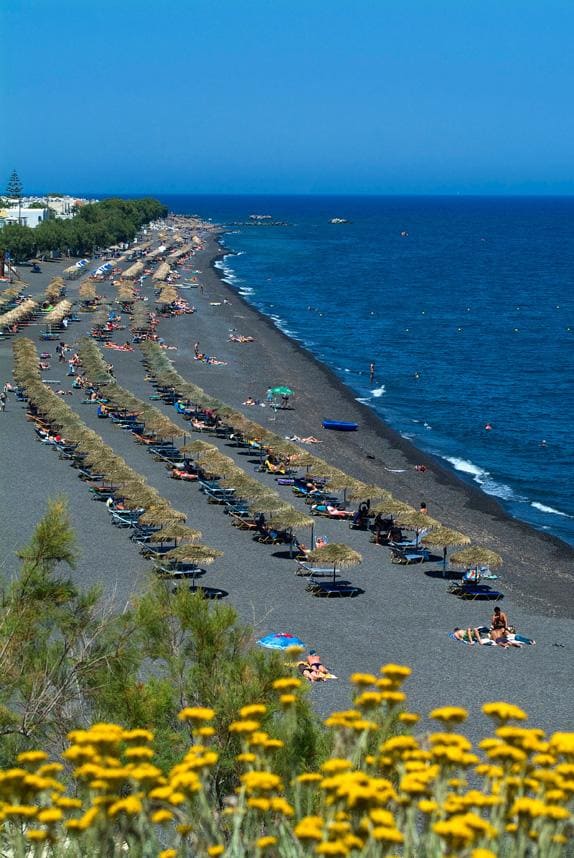
Best Hidden Beaches in Greece Away From Tourist Crowds

A Greek island trip can go wrong before the first ferry departs. Booking a beautiful hotel on an island with limited connections, arriving during the busiest week of summer, or trying to visit four islands in six days can turn a relaxing vacation into a transport schedule.

Knowing how to choose Greek islands starts with practical questions: How much time do you have? When are you traveling? Do you want beaches, nightlife, hiking, villages, history, or quiet? The right island is not necessarily the one you have seen most often online. It is the one that fits your arrival airport, budget, pace, and travel companions. Make your research and ask the travel experts of Easytraveller.gr to give you their advise and make all the reservations for an easy going vacation

Start With Your Non-Negotiables

Before comparing islands, decide what your trip needs to include. A couple planning a short break may prioritize direct flights, a walkable town, and sunset restaurants. A family may need shallow beaches, reliable grocery stores, short transfer times, and a choice of accommodations. Friends may accept a later ferry if it means beach clubs and a lively evening scene.

Your travel dates matter just as much. Greece has a long travel season, but each period offers a different experience. July and August bring dependable swimming weather, long days, and the highest demand. They also bring higher prices, fuller ferries, stronger winds in some island groups, and crowded ports.

May, June, September, and early October usually offer a more balanced option. The sea is warmest later in the season, especially in September, while spring is better for walking, wildflowers, and sightseeing. From November through March, many seasonal hotels, restaurants, tours, and ferry routes operate on reduced schedules or close entirely but this is the season for discovering the hidden gems of the country and to visit the archaeological places with less crowds.

Choose a Greek Island Group First

There are thousands of Greek islands and islets, but most visitors will choose from a few main groups. Selecting a region first reduces the number of ferry routes, airports, and accommodation options you need to compare.

Cyclades: Classic Views and Easy Island Hopping

The Cyclades are the whitewashed, blue-domed islands many travelers picture first. Santorini, Mykonos, Naxos, Paros, Milos, Ios, and Syros are among the best known. They are a practical choice for first-time visitors because many have frequent summer ferry links from Athens and Rafina and between neighboring islands.

However, the Cyclades are not one experience. Santorini is dramatic and romantic, but it can be expensive and busy. Mykonos offers nightlife, restaurants, and style, but prices can rise quickly. Naxos and Paros are more flexible choices for beach time, villages, food, and families. Milos is known for unusual coastal scenery and boat trips, while Syros has a year-round town atmosphere and a more local rhythm.

The trade-off is wind. The meltemi, a strong northern summer wind, can affect beaches, boat trips, and ferry comfort, especially in July and August. It rarely stops a well-planned trip, but it is a reason to avoid over-packing your itinerary with tightly timed connections.

Ionian Islands: Green Landscapes and Calm Water

On Greece’s western coast, the Ionian Islands have greener scenery, Venetian influences, and many sheltered bays. Corfu, Kefalonia, Zakynthos, Lefkada, and Paxos appeal to travelers who want a mix of beaches, landscapes, and road-based exploration.

Corfu has a major airport and an atmospheric old town. Kefalonia suits travelers who want scenic drives and varied beaches. Lefkada is connected to the mainland by a causeway, which makes it especially convenient if you are traveling by car. Zakynthos has famous beaches and active resort areas, so location matters greatly depending on whether you want quiet or nightlife.

Island hopping is possible here, but ferry connections are generally less straightforward than within the central Cyclades. Choose the Ionian Islands for a slower, more independent road-trip feel rather than a rapid multi-island route.

Dodecanese: History, Sunshine, and Longer Stays

The Dodecanese sit in the southeastern Aegean, closer to the Turkish coast. Rhodes and Kos are the most accessible for international arrivals, while smaller islands such as Symi, Patmos, Karpathos, and Kalymnos reward travelers with more time.

Rhodes is a strong all-around option for families, couples, and history-focused visitors. It combines a medieval old town, resorts, beaches, and good local services. Kos is flatter and more bike-friendly, with a wide range of accommodations. Symi is compact and visually striking, but it is best treated as a quieter stop rather than a destination filled with large beaches.

Because this group is farther from Athens, it often makes sense to fly directly to Rhodes or Kos and explore nearby islands from there. Do not assume every route will be fast just because islands look close on a map.

Crete: A complete Destination

Crete is Greece’s largest island and deserves its own trip in many cases. It has cities, mountain villages, archaeological sites, excellent food, long beaches, and distinct regions that can feel very different from one another.

Chania is popular for its old harbor and access to western beaches. Heraklion is useful for flights, museums, and visiting Knossos. Rethymno offers a central base with a historic center, while eastern Crete can be calmer and less crowded in selected areas. Distances are substantial, so plan around one or two regions rather than trying to cover the whole island in a few days.

How to Choose Greek Islands by Travel Style

Once you have narrowed the region, match the island to the type of days you want. For a first trip centered on iconic views, choose Santorini, but stay at least two nights to make the logistics worthwhile. For a balanced beach-and-village vacation, Naxos, Paros, Rhodes, Corfu, or Crete offer more variety than smaller islands.

For quieter days, look at islands with fewer cruise visitors and less nightlife, such as Sifnos, Folegandros, Amorgos, Tinos, Patmos, or parts of Kefalonia. Quiet does not mean empty in August, so reserve accommodation early and check how far your hotel is from the port or main village.

For active travelers, Crete, Naxos, Andros, Tinos, and Kalymnos offer hiking, climbing, cycling, or wind sports. For families with younger children, favor islands with sandy beaches, easy road access, medical services, and short transfers. Naxos, Paros, Kos, Rhodes, Corfu, and Crete are usually easier choices.

Build the Itinerary Around Transport, Not Wishful Thinking

For trips of one week or less, stay on one island or choose two with a direct, frequent connection. This gives you room for weather delays, a relaxed arrival day, and time to enjoy each place. Three islands can work in 10 to 14 days when ferry routes align well.

Check the full journey, not just the ferry duration. Include the transfer from the airport to the port, recommended arrival time, boarding, sea conditions, port-to-hotel travel, and departure-day buffer. A two-hour ferry can easily take most of a day once these details are included.

Flights can simplify the plan. Santorini, Mykonos, Crete, Rhodes, Corfu, Kos, Skiathos, and several other islands have airports, though routes vary by season. Flying into one island and departing from another can save time, but only if the fare and baggage rules remain reasonable.

Avoid booking nonrefundable accommodation immediately after a tight ferry connection. Leave a buffer, particularly in shoulder season or when an itinerary depends on one daily route.

Set a Realistic Budget for the Island You Choose

The cost of a Greek island vacation changes sharply by location and timing. Santorini and Mykonos are usually the most expensive choices for hotels, dining, taxis, and peak-season availability. Smaller Cycladic islands may be less expensive, but limited rooms can still push prices up in August.

A hotel outside the main town can reduce the nightly rate, but calculate the transport cost before booking. On an island with scarce taxis or limited evening buses, a cheaper room may create more hassle than savings.

Spend according to your priorities. An ocean-view room may matter more on Santorini than on an island where you expect to spend every day driving to different beaches. A central location may matter more than a private pool if you want to walk to dinner and avoid relying on taxis.

Make the Final Decision With a Simple Filter

When two or three islands still appeal to you, compare them against the same criteria: total travel time, accommodation options in your budget, beach or activity access, local transport, dining choices, and the kind of evenings you want. A destination that meets most of your needs without complicated transfers is usually the better choice.

It also helps to give every island a role. Choose one as your main base, then add a second only if it offers a clearly different experience. For example, combine Santorini’s caldera views with Naxos’s beaches, or pair Rhodes with smaller Symi. Do not add an island simply because it is nearby.

A well-chosen Greek island trip leaves time for the unplanned parts: a late swim, a long lunch by the harbor, or a village you notice from the road. Build enough space into the route to say yes when those moments appear.

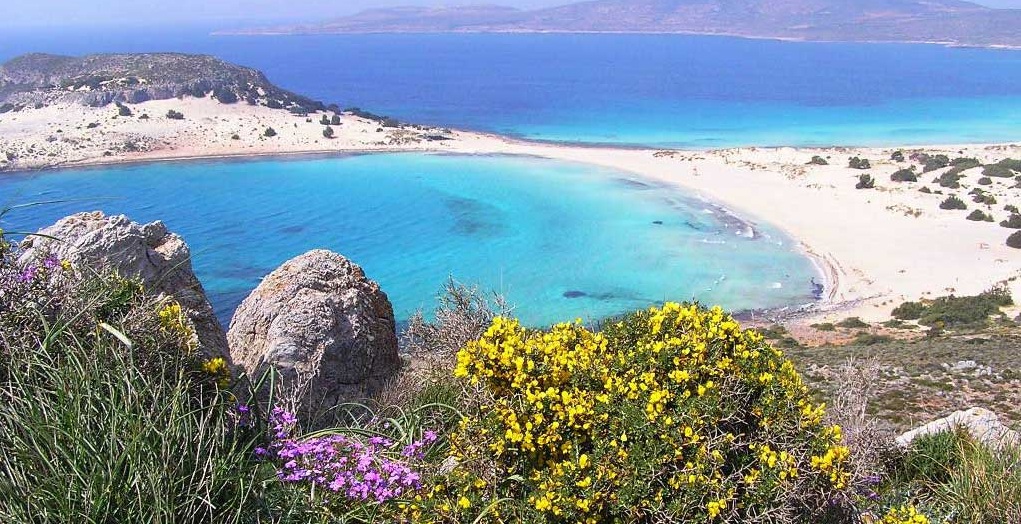
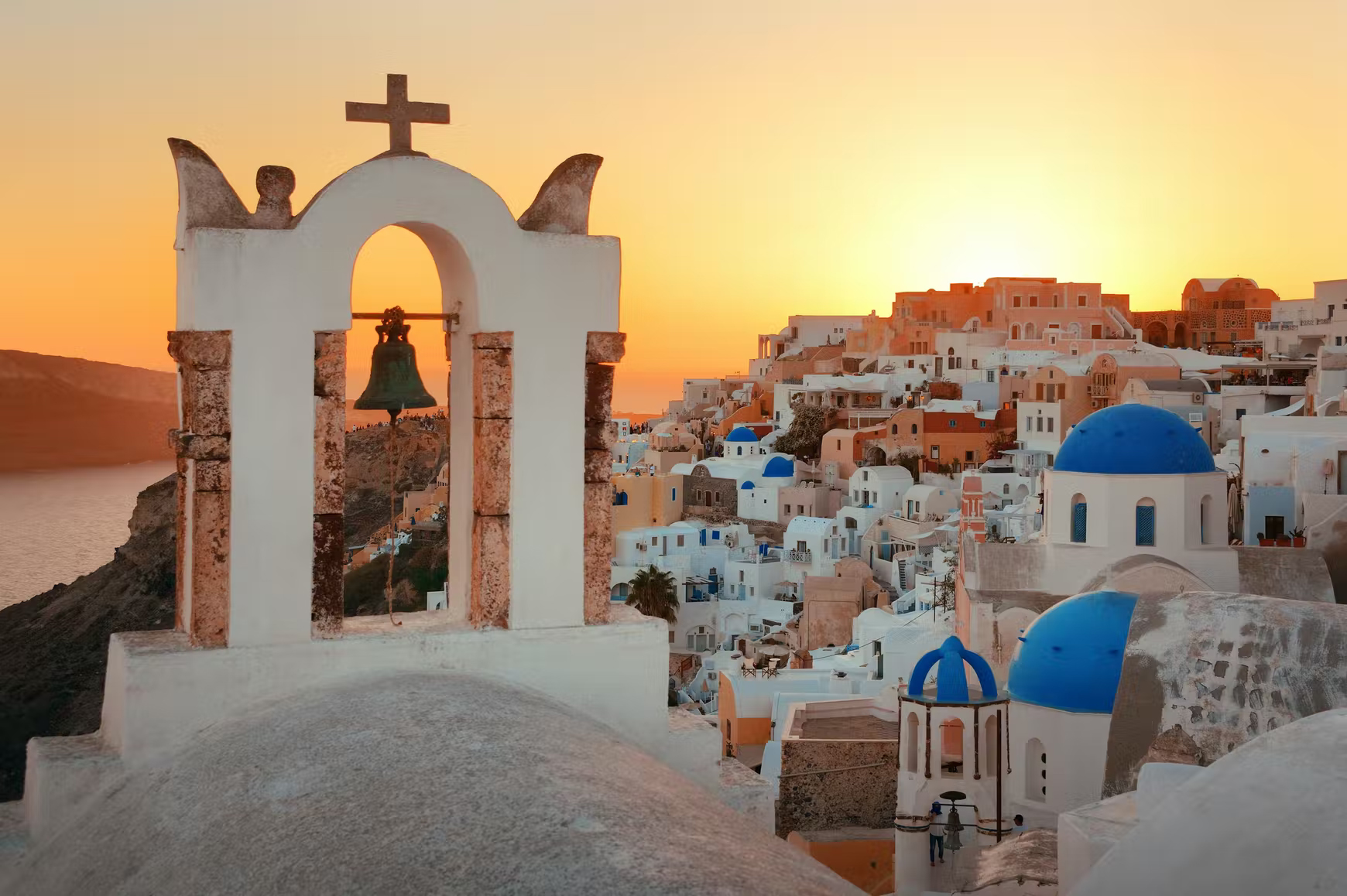
Santorini_Island_Greece

A Greece trip can look simple on a map and become complicated the moment you compare ferries, flights, hotel locations, airport transfers, and island schedules. Greece vacation packages can reduce that work, but the right choice depends less on finding the largest bundle and more on choosing the itinerary, pace, and inclusions that match the way you want to travel.
For some travellers, a package means a week in Crete with flights and a beachfront hotel. For others, it is an Athens-to-Santorini itinerary with ferry tickets, transfers, and accommodation already arranged. Start by deciding what you want handled for you and what you would rather keep flexible.

What Greece vacation packages usually include

Most packages combine at least two travel elements, commonly ferries or flights or combination of both, transfers, tour and accommodations. More complete options may also include airport transfers, ferry or domestic flight connections, breakfast, excursions, car rental, or travel support during the trip.
The word “package” does not automatically mean every cost is covered. Meals beyond breakfast, local hotel taxes, checked baggage, ferry seat upgrades, attraction admission, and gratuities are often separate. Review the inclusions line by line before comparing prices. A lower headline rate may be less useful if it leaves out transport between destinations or places you far from the area you came to see.
It also helps to distinguish between a fixed itinerary and a flexible bundle. Fixed itineraries can be efficient for first-time visitors who want confirmed logistics. Flexible packages work better if you want to choose your own restaurants, beaches, and daily activities without moving according to a group schedule.

Choose the trip shape before the hotel

Accommodation matters, but the route is the decision that drives the rest of the budget. Greece has excellent islands, mainland cities, historic sites, and coastal regions, yet distances and transport patterns vary widely.
Athens and one island
This is often the most practical first Greece itinerary. Spend two or three nights in Athens, then continue to one island for the rest of the trip. It gives you time for the Acropolis area, neighbourhood restaurants, and a change of pace by the sea without turning the vacation into a transit project.
Santorini suits travellers looking for dramatic caldera views, sunsets, and boutique stays, but it can be expensive and busy in peak season. Mykonos is a strong choice for beach clubs, dining, and nightlife, with a higher price point in summer. Naxos, Paros, Milos, and Syros can offer a more relaxed balance of beaches, towns, and local character. The best choice depends on what you will actually do after breakfast, not what looks best in a single photo.
A single-region stay
A one-region package is especially useful for families, travellers with limited time, or anyone who prefers fewer hotel changes. Crete is large enough for a full vacation on its own, with beaches, archaeological sites, mountain villages, and major towns. Rhodes combines medieval history with resort areas. Corfu is well suited to travellers interested in green scenery, Venetian influences, and easy access to beaches.
Staying in one place can also make rental-car planning simpler. On larger islands and mainland regions, a car may add real value. On compact islands or in central Athens, it can create unnecessary cost and parking stress.
Two or three islands
Island hopping is appealing, but each move takes more time than the ferry crossing listed on a timetable. You need to check out, reach the port, board early, travel, collect luggage, find your new accommodation, and settle in. Wind or schedule changes can also affect sea routes.
For a seven-night trip, Athens plus one island is usually enough. For 10 to 14 nights, two islands can work well when they are connected by a direct, reasonably timed ferry or domestic flight. Three islands are best reserved for travellers who enjoy moving often and are comfortable leaving less room for unplanned beach days.
How to compare Greece vacation packages fairly
Compare the total trip cost, not just the per-person starting price. Use the same travel dates, number of nights, room type, and departure airport when reviewing options. A package that seems more expensive may include private transfers, a better-located hotel, or luggage allowances that would otherwise be added later.
Check the hotel location with the same care you give the hotel rating. A beachfront resort may be ideal for a quiet break but inconvenient if you want evenings in a historic town. In Santorini, staying in Oia or Fira offers views and walkable dining, while other areas may offer more space and value. In Athens, central neighbourhoods can reduce taxi time and make short stays easier to manage.
Also check the arrival and departure times. An early-morning return flight or a late evening arrival can effectively reduce usable vacation time. If your package includes a ferry connection on the same day as an international arrival, allow a sensible buffer. Flight delays, baggage collection, and transfers can make tight connections stressful.
When comparing room categories, ask whether the view, balcony, pool access, and bedding arrangement are confirmed or only requested. This is particularly relevant for families and groups. A room labelled for four guests may be one standard room with sofa beds rather than two separate sleeping areas.
Timing changes both price and experience
July and August bring the warmest sea temperatures, long sunny days, and the highest demand. They are a good fit for travellers who want lively resorts, nightlife, and dependable beach weather. The trade-off is higher prices, busy ferries, and limited availability at popular hotels.
May, June, September, and early October are often strong periods for Greece vacation packages. Temperatures are usually comfortable for sightseeing, popular places can feel less crowded, and hotel rates may be more manageable. Sea conditions and swimming temperatures vary by month and location, especially early in the season.
Winter travel is different rather than inferior. Athens, Thessaloniki, and selected mainland destinations remain appealing for food, museums, culture, and city breaks. Many island hotels, restaurants, and seasonal ferry routes operate on reduced schedules, so a summer-style island package is not always the right plan from November through March.
Build in the right level of flexibility
A package should remove decisions that do not add value to your trip. Prearranged airport transfers are useful after a long flight, particularly when arriving late or travelling with children. Confirmed ferry tickets can be helpful during high-demand periods. A preplanned day tour may make sense for a site that is difficult to reach independently.
But avoid paying for structure you will not use. An all-day excursion every day can leave little time to enjoy the hotel, a village walk, or a beach you find by chance. All-inclusive stays can offer budget clarity for families and resort-focused vacations, while travellers who want to try tavernas in different neighbourhoods may get better value with breakfast included instead.
Cancellation terms deserve the same attention as the itinerary. Look for clear deadlines, what happens if a ferry schedule changes, and whether the booking allows hotel or date adjustments. Travel insurance can be worth considering when the trip includes multiple non-refundable components, but read the policy conditions rather than assuming every disruption is covered.

A practical booking checklist

Before confirming a package, make sure you can answer these questions:
• Are international flights, domestic flights, or ferry tickets included, and do the schedules connect comfortably?
• Is the hotel in the area where you want to spend your time?
• Are airport and port transfers included at both ends of the trip?
• What room type, baggage allowance, meals, taxes, and activities are confirmed?
• What are the payment, cancellation, and change conditions?
These details are more useful than a long list of features because they show whether the package will work on the ground.
EasyTraveller team is ready and willing to help travellers bring destination, accommodation, transport, and activity decisions into one clearer planning process. Whether you choose a simple Athens-and-island break or a longer route through several regions, leave room in the plan for one unbooked afternoon. Greece is often best remembered in the time between the scheduled stops.

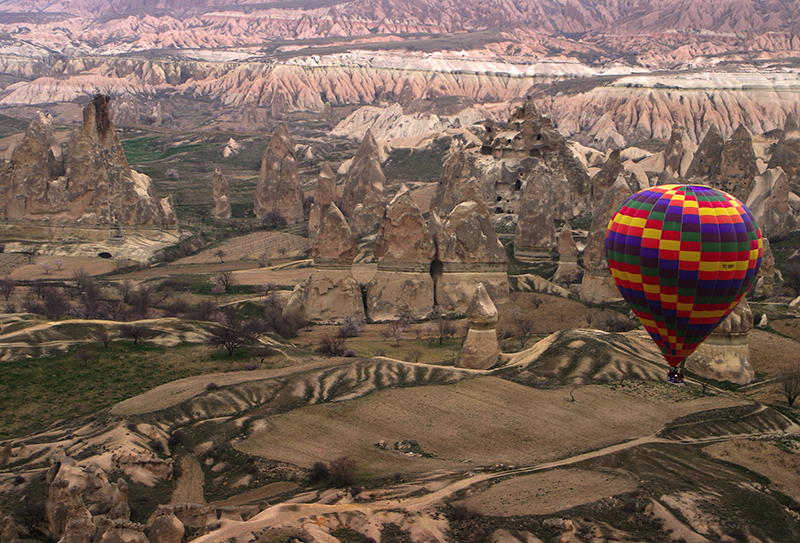
Cappadocia_Turkey_Hot_Air_Ballon

Cappadocia Ephesus Classical Greece tour covers the most important places of Turkey and Greece.
With this package, you will visit Istanbul, the Cappadocia area, ancient Ephesus and Izmir, Athens, Mycenae, Epidaurus, Ancient Olympia, Delphi and the Meteora Monasteries.

FRIDAY: ATHENS

Arrival in Athens, meeting and assistance and then transfer to your selected hotel. The balance of the day at leisure.

SATURDAY: ATHENS – HALF DAY CITY TOUR

This tour gives you an opportunity to observe the striking contrasts that make Athens such a fascinating city. Our expert guides will take you to see the Panathenaic Stadium where the first Olympic Games of modern times were held in 1896 (shortstop).
Continue and pass by the Prime Minister’s residence (ex Royal Palace) guarded by the Euzones in their colourful uniform, the Temple of Olympian Zeus, the Hadrian’s Arch, the Parliament and the memorial to the Unknown Soldier, the Academy, the University, theNational Library, the Constitution Square (Syntagma). On the Acropolis visit the Architectural Masterpieces of the Golden Age of Athens: The Propylaea, the Temple of Athena Nike, the Erechtheion and finally “the harmony between material and spirit”, the monument that “puts an order in the mind”, the Parthenon.
Tour will end by visiting the Acropolis and the new Acropolis Museum, “State of the art” in museum construction and very rich in content.
Afternoon free to visit the old Athens city (Plaka) with lots of restaurants, taverns and souvenir shops.

SUNDAY: ATHENS

Free day in Athens to stroll around the city and know better the sites and the people. Good opportunity to visit one of the famous museums like the National Archaeological Museum or the Benaki Museum.
Use the metro not only for your transportation but also visit the different stations to admire pieces of ancient and modern art. Not to miss the visit to Plaka (The old Athens city) with lots of souvenir shops, restaurants and taverns.

MONDAY: ATHENS – MYCENAE – EPIDAURUS – OLYMPIA

Leave by the Coastal Road to the Corinth Canal (shortstop). Drive on and visit Epidaurus which was a small city in ancient Greece, at the Saronic Gulf. Reputed to be the birthplace of Apollo’s son Asclepius, the healer, Epidaurus was known for its sanctuary, the cult of Asclepius at Epidaurus is attested in the 6th century BC.as well as its theatre, which is once again in use today.
The Sanctuary of Asklepios at Epidaurus is a UNESCO world heritage site.
The theatre is marvelled for its exceptional acoustics, which permits almost perfect intelligibility of non amplified spoken word from the proscenium or scene to all 15,000 spectators, regardless of their seating.
Then proceed to the Town of Nauplion ( short stop) drive on to Mycenae. and visit the Archaeological Site and the Tomb of Agamemnon. Departure for Olympia Through Central Peloponnese and the Towns of Tripolis and Megalopolis. Dinner and overnight in Olympia, the Cradle of the Olympic Games.

TUESDAY: OLYMPIA – DELPHI

Olympia was a sanctuary of ancient Greece, known for having been the site of the Olympic Games in classical times, the most famous games in history.
The sanctuary, known as the Altis, consists of an unordered arrangement of various buildings. Enclosed within the temenos are the Temple of Hera (or Heraion/Heraeum) and Temple of Zeus, the Pelopion and the area of the altar, where the sacrifices were made. The Hippodrome and later stadium were also to the east.
To the north of the sanctuary can be found the Prytaneion and the Philippeion, as well as the array of treasuries representing the various city-states.
Olympia is also known for the gigantic ivory and gold statue of Zeus that used to stand there, sculpted by Pheidias, which was named one of the Seven Wonders of the Ancient World by Antipater of Sidon.
Then drive on through the plains of Eliad and Achaia until the magnificent bridge which is crossing the Corinthian Bay from Rion to Antirion. Pass by the picturesque Towns of Nafpactos (Lepanto) and Itea, arrive in Delphi. Dinner and overnight.

WEDNESDAY: DELPHI – METEORA

Delphi was the centre of Ancient World – the “Omphalos” (Navel of Earth) – whose prestige extended far beyond the boundaries of the Hellenic World.
On the slopes of Mount Parnassus, in a landscape of unparalleled beauty and majesty, lie the ruins of the Sanctuary of Apollo Pythios.
Visit the Treasury of the Athenians, the Temple of Apollo and the Museum containing such masterpieces of Ancient Greek sculpture as the bronze Charioteer and the famous athlete Aghias. Depart for Kalambaka, a small Town situated at the foot of the astonishing complex of Meteora, gigantic rocks. Dinner and overnight.

THURSDAY: METEORA – ATHENS

Meteora is one of the largest and most important complexes of Eastern Orthodox monasteries in Greece, second only to Mount Athos. Among striking scenery, perched on top of huge rocks which seem to be suspended in mid-air, stand ageless Monasteries, where you can see exquisite specimens of Byzantine art. The six monasteries are built on natural sandstone rock pillars, at the northwestern edge of the Plain of Thessaly near the Pineios river and the Pindus Mountains, in central Greece. The Meteora is included on the UNESCO World Heritage List. Return to Athens via Trikala, Lamia, Thermopylae (visit the Leonida’s monument). Arrive in Athens early in the evening.

FRIDAY: ATHENS – ISTANBUL

At the appropriate time transfer to airport for flight to Istanbul. Upon your arrival, you will be met and transferred to your hotel. Rest of day free. Overnight at the hotel.

SATURDAY: ISTANBUL – FULL DAY CITY TOUR

After breakfast full day visit to Istanbul. We begin our tour from the Sultanahmet district, the heart of old Istanbul and pass by Agia Sophia. Built by Emperor Justinian in the 6th century AD this church is one of the marvels of world architecture. Its massive dome dominates the skyline of old Istanbul. It is famed for its mosaics, including glittering portraits of emperors and empresses. Then we will visit the Topkapi Palace which, from the 15th to 19th century, was the principal residence of the Ottoman Sultans .
Next, we visit the Blue Mosque, which owes its name to the exquisite tiles adorning its interior. Dating from the 17th century, it is the only imperial Mosque with six minarets. The Hippodrome, the stadium of ancient Byzantium, held 100.000 spectators and featured objects from all corners of the empire.
Lunch in a local restaurant and continuation of our tour with visit to the Roman Hippodrome and time at the Grand Bazaar.
The Grand Bazaar was the commercial heart of the old city and its 4.000 shops are full of treasures – including carpets and kilims, silks, jewellery, ceramics, icons and leather goods .

SUNDAY: ISTANBUL – ANKARA – CAPPADOCIA

In the morning, transfer to airport for flight to Ankara. Arrival in Ankara, the Turkish capital and then to town to visit the Museum of Anatolian Civilizations, which has a rich collection of finds from Asia Minor, mainly Hittites.Then we will visit the Mausoleum of Kemal Ataturk (founder of modern Turkey). Lunch and Continuation of the trip to Cappadocia passing by the Salt Lake. Dinner and overnight.

MONDAY: CAPPADOCIA

Full day visit of the spectacular Cappadocia region, unique for its fascinating and unique landscape formed by the lava thrown out by volcanoes Erciyes and Hasan, 3 million years ago.
Visit the many monasteries and chapels in Goreme, World Heritage Site by UNESCO, dug into the rocks and decorated with frescoes of the tenth century (some of them very well preserved).
Pass by and admire a panoramic view of the castle of Uchisar on top of a mound of volcanic rock crossed by tunnels and windows and Avcilar Valley. Lunch and in the afternoon, visit the village of Avanos, famous for its handicrafts and valleys and G?vercinlik Valley (Pigeon Valley).
Visit the underground city of Kaymakli or Serhatli, one of 36 underground cities of Cappadocia served as a refuge for Christians.
Return to hotel and dinner. Dinner and accommodation.

TUESDAY: CAPPADOCIA – PAMUKKALE

Early departure to Pamukkale. On the way visit the Caravansarai of Sultanhan, where they used to stop camel caravans on the silk route.
Lunch, then continue to Pamukkale, visiting Hierapolis which is located neither on the ground nor in the rock, but in solid limestone layers formed by limestone water that flowed for centuries on this high-level plateau. The name means “sacred city”, and according to Stephanus of Byzantium, the city received this name due to the large number of temples it contained, then the Necropolis ruins, the Roman Baths, the Basilica, and the limestone cliffs. Dinner and overnight stay.

WEDNESDAY: PAMUKKALE – EPHESUS– ISTANBUL

Pamukkale is a beautiful and spectacular natural site, unique in the world with its dazzling waterfalls of white and petrified lime. There you will see the thermal water loaded with calcareous salt, descending the slope that has created this natural formation of stalactites, waterfalls and basins. Thermal water has been used since Roman times for its therapeutic powers.
Drive to Meryemana and visit the House of the Virgin Mary, where you spent the last days of your life. Authenticated by Pope Paul VI in 1967, the cabin is a place of pilgrimage for many believers.
After lunch, continue to Ephesus, the Roman capital in Asia Minor. The ancient city of Ephesus was an important centre for early Christianity. In the book of Revelation, Ephesus was one of the seven churches to which Christ addressed himself in a vision. This is where you’ll find the Temple of Artemis, considered one of the Seven Wonders of the Ancient World. Your guide will also show you the Grand Theater, the Library of Celsius, the ruins of Odeon, the Arch of Hercules, the Temple of Hadrian, the magnificent library, the Agora and the Greco-Roman Theater. Drive to Izmir airport for the flight to Istanbul. Upon arrival, transfer to your hotel for the night.

THURSDAY: ISTANBUL

A free day to the mythical city of Istanbul. A full day in the ancient city with countless elegant minarets and mosques. The mix of East and West has resulted in some of the most impressive architectural monuments worldwide as Hagia Sophia, Blue Mosque and Topkapi Palace.
Another important thing to experience in Istanbul is to be lost in the Grand Bazaar, one of the largest markets in the world of its kind, where the colours and smells of the mountains of spices, colourful clothes and silver jewellery and intoxicate our hours. Haggling is, of course, the standard through the purchase.

FRIDAY: ISTANBUL – AIRPORT

At the indicated time according to your departure flight, you will be transferred to the airport.

For more information and booking please click here 


A family island vacation works best when the beach, hotel, meals, and transport do not require a daily negotiation. The best Greek islands for families combine calm swimming spots with straightforward arrival options, walkable towns, and enough choices to suit both a toddler’s early bedtime and a teenager’s need for activity.

There is no single right island for every family. Some destinations make car-free travel easy; others reward you with more variety if you rent a vehicle. Travel month matters too. June and September are often more comfortable for sightseeing and ferry travel, while July and August offer the warmest sea and the busiest ports.

How to choose among the best Greek islands for families

Start with the practical parts of the trip. Families traveling with young children may prioritize a short airport transfer, a sandy beach near their hotel, and restaurants within walking distance. Families with older children can consider a larger island where a rental car opens up water sports, archaeological sites, mountain villages, and quieter coves.

Also consider your route. Islands with airports can reduce travel time after an international flight, while Cycladic islands such as Naxos and Paros are popular ferry choices from Athens. Ferry schedules, crossing times, and available vehicle space vary by season, so organize the transport plan before committing to accommodations.

Naxos for sandy beaches and an easy pace

Naxos is one of the strongest all-around choices for a first Greek island trip with children. Its west coast has long, sandy beaches with shallow water in many areas, and several resorts and apartments sit close enough to the sea that beach days do not need much planning. Agios Prokopios, Agia Anna, and Plaka are commonly considered when families want a beach-focused stay.

Naxos Town adds a useful change of scene. You can walk its waterfront, browse small shops, and choose from many casual places to eat. Inland villages, a historic temple site, and short drives through the countryside give older children more to do than simply visit the beach.

The trade-off is that Naxos is large enough that location matters. A stay outside the main town is relaxing, but a rental car may be useful for exploring beyond your local beach.

Crete for the widest range of family activities

Crete is Greece’s largest island and a practical choice for families who want options. It has several airports, a broad range of accommodations, large supermarkets, resorts with pools, and destinations that suit different budgets. You can build a stay around a beach resort, an old town, a village, or a mix of all three.

For easy beach access, many families look at the north coast near Chania, Rethymno, or Heraklion, depending on flight routes and preferred hotel style. Older children may enjoy boat trips, water parks, caves, small museums, and historic sites such as Knossos. Food is another advantage: tavernas are used to family groups, and the menu is usually easy to navigate.

Crete’s size is both its strength and its limitation. Do not plan to see the entire island in one week. Choose one region and allow time for beach days between excursions. Driving distances can be longer than they appear on a map, especially on mountain roads.

Corfu for green scenery and convenient services

Corfu feels different from the drier Cycladic islands. Its green landscape, Venetian-influenced old town, and sheltered bays create a varied setting for a family holiday. Corfu International Airport is close to Corfu Town, which makes arrival simpler than a flight followed by a ferry connection.

Families often choose the east or northeast coast for calmer water and a gentler atmosphere. Corfu Town is worth setting aside time for, particularly with school-age children who enjoy fortresses, narrow lanes, and waterfront views. The island also has organized beaches and boat excursions, so it is easy to combine relaxed and active days.

The busiest resort areas can feel crowded in peak summer. If quiet evenings are a priority, check exactly where a property sits rather than booking only by the name of the wider resort area.

Rhodes for beaches, history, and direct flights

Rhodes is a good fit for families who want beach time without giving up sightseeing. Its airport provides direct connections from many European cities in the warmer months, and the island’s developed tourism infrastructure can make it easier to find family rooms, pools, and organized activities.

The Medieval Old Town is a memorable outing for older children, while beaches around the island offer plenty of downtime. Lindos is visually striking, but its hills, steps, and summer heat may be more challenging with a stroller or very young children. A hotel near a beach with shade and restaurants nearby can make the overall stay more comfortable.

Rhodes is popular in high season, particularly at major attractions. Visit historical areas early in the day, then keep afternoons for swimming or a hotel pool.

Paros for a balanced Cyclades vacation

Paros offers the whitewashed villages and blue-water appeal many visitors expect from the Cyclades, with a generally accessible feel for families. Naoussa is attractive but can be lively at night, while Parikia provides ferry convenience and services. Beach areas such as Golden Beach and the coast near Aliki may suit travelers looking for more space and a slower rhythm.

The island is compact enough for day trips by car or local bus, and it works well for families with children who are comfortable on ferries. Paros does not have the same volume of large-scale attractions as Crete or Rhodes, which can be a benefit if your goal is simple beach days and unhurried meals.

Kos for cycling and resort convenience

Kos is notably flat in many coastal areas, making it one of the easier islands for cycling with older children. It also has an airport, a good selection of family-oriented hotels, and long beaches where facilities are readily available. Kos Town combines an appealing harbor with ruins and open public spaces for an easy evening walk.

The island suits families who prefer an organized resort base but still want the flexibility to explore independently. A bicycle ride, a short drive to a village, or a beach change can fill the day without a complicated itinerary. In exposed areas, wind can affect beach conditions, so choose your coast according to the forecast.

Skiathos and Hydra for shorter, focused stays

Skiathos is a strong option for families drawn to pine-lined scenery and a wide choice of beaches. It is relatively compact, and a local bus route serves several popular south-coast beaches. The town is active in summer, so a property just outside the center can offer a quieter night while keeping restaurants accessible.

Hydra is a different kind of family choice. Cars are not allowed on the island, which creates a peaceful, distinctive atmosphere. It is best for a short stay with children who can manage walking and steps, rather than for a conventional sandy-beach vacation. Families can enjoy the harbor, short boat rides, and a slower pace, but should pack light and select accommodation carefully.

Practical planning for a smoother island trip

Book accommodation based on daily logistics, not just photos. A pool is useful, but a shaded terrace, kitchenette, nearby mini-market, and an easy walk to dinner can be just as valuable. If you are bringing a stroller, ask about stairs and road access before booking, especially in traditional villages.

For ferry journeys, choose a departure time that works with naps, meals, and your arrival in Athens. Keep water, snacks, sunscreen, a light layer, and motion-sickness supplies in your day bag. Ferry conditions can change with wind, so leave reasonable flexibility between connections rather than scheduling every transfer tightly.

During July and August, reserve larger family rooms and rental cars early. For a quieter experience, travel in June or September when possible. The sea is usually warm enough for swimming, popular places are less pressured, and you will have more freedom to choose the beach that suits your family that day.

The best island is the one that leaves room for an unplanned swim, a long lunch, and an early night when everyone needs it. Build around those moments first, then add only the excursions your family will genuinely enjoy.

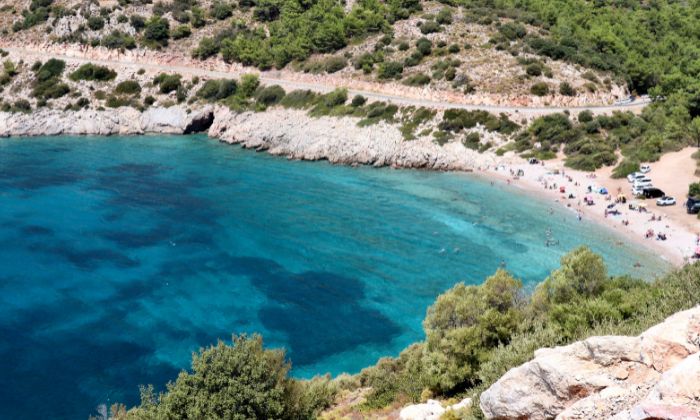
Aegean-Coast

When comparing Greek islands vs mainland Greece, the better choice is not about which is more beautiful. It is about how you want to spend your time, how easily you want to move around.

The islands offer sea views, swimming, compact villages, and a slower rhythm. The mainland delivers ancient sites, mountain landscapes, city energy, and the flexibility of a road trip. Many travelers can combine both, but a well-planned single-region vacation is often more relaxing than trying to see everything in one week.

Start With the Type of Vacation You Want

Choose the Greek islands if your priority is being near the water. Island days are built around beaches, boat trips, waterfront meals, and short walks through whitewashed lanes or harbor towns. They work especially well for couples, friend groups, and families who want to settle into one base and keep daily planning simple.

The mainland is the stronger option if you want variety beyond the coast. Athens combines major archaeological landmarks with dining, museums, and neighborhoods that are easy to explore on foot or by metro. Outside the capital, you can drive to Delphi, Meteora, the Peloponnese, Zagori, Thessaloniki, or the beaches of Halkidiki. A mainland itinerary can move from an ancient theater to a mountain village or a beach in the same day.

This does not mean the islands lack culture. Delos near Mykonos, the medieval Old Town of Rhodes, the archaeological sites of Naxos and Crete, and the volcanic history of Santorini are memorable cultural stops. The difference is concentration. The mainland generally gives you more historical and geographical range without relying on boat schedules.

Greek Islands vs Mainland: Transport Changes the Trip

Transport is often the deciding factor, particularly for travelers with limited vacation time. On the mainland, Athens International Airport is a practical entry point, and car rentals, domestic flights, buses, and trains provide several ways to continue. Driving is useful for the Peloponnese, central Greece, and northern regions, where stops can be adjusted as you go.

Island travel requires more coordination. Ferries connect Athens with many destinations, while some larger islands have airports with flights from Athens and, in season, other European cities. A direct flight to an island can save time. A ferry can be part of the experience, but it also means arriving at the port early, handling luggage, and allowing for weather-related changes in rougher periods.

Island hopping looks easy on a map but can use up more of a vacation than expected. Routes are not equally frequent across all island groups, and the fastest connection may not operate every day. For a seven-night trip, one island plus Athens, or two nearby islands with reliable connections, is usually more comfortable than trying to visit three or four.

On the mainland, driving gives you independence, but it comes with its own trade-offs. Central Athens is not the place to keep a rental car, and mountain roads can be narrow and winding.

Compare Costs Before Choosing a Region

Greece can suit a range of budgets, but prices change sharply by destination and season. Santorini and Mykonos are usually among the most expensive choices for hotels, dining, and local transport in peak summer. Popular islands such as Paros, Naxos, Corfu, Rhodes, and Crete can also rise in price during July and August, although they offer more accommodation options.

The mainland can offer better value, especially outside Athens and the best-known resort areas. A road trip through the Peloponnese or northern Greece may provide lower room rates, affordable tavernas, and easier access to supermarkets. However, daily rental-car costs, fuel, tolls, and parking need to be included in the total.

Island vacations can be economical when you select the right base. Staying a short walk away from the waterfront, using local buses where available, and choosing one island instead of hopping can reduce costs. In both regions, booking popular summer accommodations early gives you more choice and avoids paying a premium for the last available room.

Consider Weather, Crowds, and Beach Conditions

For classic swimming weather, the islands are at their best from late May through September. July and August bring hot temperatures, intense sun, and the largest crowds. In the Cyclades, the meltemi wind can make afternoons breezy or very windy, especially in July and August. It can be welcome on hot days but may affect ferry crossings, boat excursions, and beach comfort.

The mainland is more varied. Athens and inland archaeological sites can be extremely hot in midsummer, while northern Greece and mountain areas offer cooler evenings. Spring and fall are particularly good for a mainland itinerary because you can walk through historic towns and visit sites more comfortably than in peak heat.

For travelers who want both sightseeing and swimming, June and September are often the easiest months to balance the two. Sea temperatures are warmer in September, while June usually has greener landscapes and slightly lighter crowds. Some smaller islands are quiet outside the main season, with fewer ferry services and restaurants open, so check the operating period before committing to an April or October stay.

Match the Destination to Your Travel Group

Couples looking for scenic hotels, sunsets, and long dinners may prefer an island base. Santorini is dramatic and romantic but busy and expensive. Milos, Naxos, Paros, and parts of Crete can offer a more balanced mix of beaches, restaurants, and accommodation choices.

Families often benefit from islands with practical infrastructure rather than the most photographed locations. Crete, Rhodes, Corfu, Naxos, and Kos have broad beach options, markets, family-friendly restaurants, and enough space to vary the day. Consider transfer times from the airport or ferry port before booking a remote property with young children.

Friend groups may enjoy islands with beach clubs and nightlife, while mainland cities offer a different kind of evening life. Athens and Thessaloniki are strong choices for groups interested in food, bars, live music, and neighborhood exploration. A mainland road trip also works well when everyone wants different activities, since one person can visit a museum while another spends time at the beach.

Independent travelers should choose based on how much logistics they enjoy. Islands can be wonderfully easy once you arrive, particularly where buses, taxis, and walkable towns cover the essentials. The mainland provides more freedom for travelers comfortable with renting a car and changing plans along the route.

When Combining Both Makes Sense

A combined itinerary works best when the connection is simple. Start with two or three nights in Athens to recover from travel, see major landmarks, and adjust to the time zone. Then continue to one island with a direct ferry or flight connection. This gives you a clear city-and-sea contrast without turning the vacation into a transfer schedule.

For a longer stay, consider Athens, the Peloponnese, and one nearby island, or Athens plus two islands in the same group. Crete can also stand alone for ten days or more because it combines beaches, cities, historic sites, and mountain villages on one large island.

Avoid combining distant regions simply because they are famous. Athens, Meteora, Santorini, and Corfu may all be appealing, but fitting them into one short trip can mean more time in airports, ports, and rental-car offices than at the destinations themselves. Our Greece Vacation Packages are well designed and can help you choose the correct itinerary according to the time you want to spend.

Make the Final Choice

Choose the islands when the sea is the center of your plans and you prefer a relaxed base. Choose the mainland when you want a flexible route, a wider mix of landscapes, and easier access to major historical sites. If you have at least eight or nine nights, combining Athens with one carefully chosen island can give you the best of both without unnecessary transfers.

Before reserving accommodations, check the arrival airport, transfer duration, ferry frequency, and whether you need a car. A Greece trip feels easier when the route supports the vacation you actually want – not just the list of places you hoped to fit in.

Do not hesitate to ask us before you choose. Make a list of the places you want to visit and let us check the best way to visit the places without wasting your holiday just traveling around all the time

Greece’s mainland rewards travelers who want more than a single resort base. The best Greek mainland destinations combine ancient landmarks, excellent food, mountain scenery, working towns, and coastlines that are often easier to reach than the islands.

For a first trip, avoid trying to cover the entire country in one week. Mainland Greece is larger and more varied than many visitors expect. Choose two or three regions, allow time for road journeys, and build an itinerary around the experiences that matter most to you. Our travel experts at easytraveller.gr will help you organizing your trip and give you advice on the places to visit

Best Greek Mainland Destinations for Different Trips

1. Athens

Athens works best as both a destination and a practical starting point. The Acropolis, Ancient Agora, Acropolis Museum, Plaka, and Monastiraki can comfortably fill two or three days, while neighborhoods such as Koukaki and Pangrati give the city a more local rhythm.

It is also the easiest place to organize onward travel. Athens has the country’s main international airport, major rail and bus connections, and access to Piraeus for ferries. Stay centrally if sightseeing is the priority; choose the Athenian Riviera if you want city access with a beach-oriented base.

2. Nafplio

Nafplio is one of the most convenient short breaks from Athens and a strong choice for couples, families, and first-time visitors. Its old town has neoclassical streets, waterfront walks, small museum, and the impressive Palamidi Fortress above the city.

The larger advantage is its location in the Argolis region. From here, you can visit Mycenae, Epidaurus, and the ancient site of Tiryns without changing hotels. It is an easy destination for a two- or three-night road trip, especially in spring and fall when the archaeological sites are more comfortable to explore.

3. The Pelion Peninsula

Pelion is for travelers who do not want to choose between mountains and the sea. Traditional stone villages sit on forested slopes, while the eastern coast offers clear-water beaches and small coves. Portaria and Makrinitsa are convenient near Volos; Tsagarada and Zagora provide a quieter, greener base farther east.

Pelion is particularly appealing outside peak summer, when hiking, village meals, and cooler temperatures add as much value as the beaches.

4. Meteora

Meteora delivers one of Greece’s most distinctive landscapes: centuries-old monasteries built on immense sandstone rock pillars. It is visually dramatic, but it also requires sensible planning. The monasteries have individual visiting hours and dress requirements, so check schedules before arrival.

Kalambaka and Kastraki are the main places to stay. Kastraki feels smaller and sits closer to the rocks, while Kalambaka has more services and transport options. One full day is enough for a focused visit, but two nights create a more relaxed schedule and allow time for sunrise views or guided walks. Taking one of our organized tours will save you time and our expert guides will give you more information

5. Thessaloniki

Thessaloniki is Greece’s most useful northern city break. It has a waterfront promenade, Roman and Byzantine monuments, markets, museums, and a food scene that feels less formal and more everyday than Athens. The White Tower, Ano Poli, Rotunda, and Aristotelous Square are straightforward starting points.

Choose Thessaloniki if you want urban energy without an over packed itinerary. It is also a practical gateway to Halkidiki, Mount Olympus, Vergina, and northern Greece. For food-focused travelers, plan extra time rather than treating it only as an overnight stop.

6. Halkidiki

Halkidiki is known for its three peninsulas, or “legs,” each with a different travel style. Kassandra is more developed, with resort hotels and nightlife. Sithonia is better for scenic drives, pine-backed beaches, and a slower pace. Mount Athos is a special case: access is restricted, and the monastic republic is not a standard tourist area.

For most international visitors, Sithonia is the better fit if the goal is a relaxed beach vacation with room to explore. A rental car makes a major difference, particularly if you want to find beaches beyond your hotel area. July and August are lively but busy; June and September are often the more balanced months.

7. Mount Olympus and Litochoro

Mount Olympus is not only for serious climbers. Litochoro, the main gateway town, offers accessible trails, tavernas, and views toward the mountain and the Aegean. More experienced hikers can arrange routes toward the higher refuges, but conditions and equipment matter, even in warmer months.

Mount Olympus was officially inscribed on the UNESCO World Heritage List in July 2026 as a mixed cultural and natural site, recognizing both its exceptional biodiversity and its importance in Greek mythology. Greece’s Mountain of the Gods Earns Global Recognition

This area pairs well with Thessaloniki or Meteora. It is a good option for active travelers who want a nature break between historic cities and beach destinations. If hiking is central to your trip, stay long enough to account for weather changes rather than planning a single fixed summit day.

8. Zagori

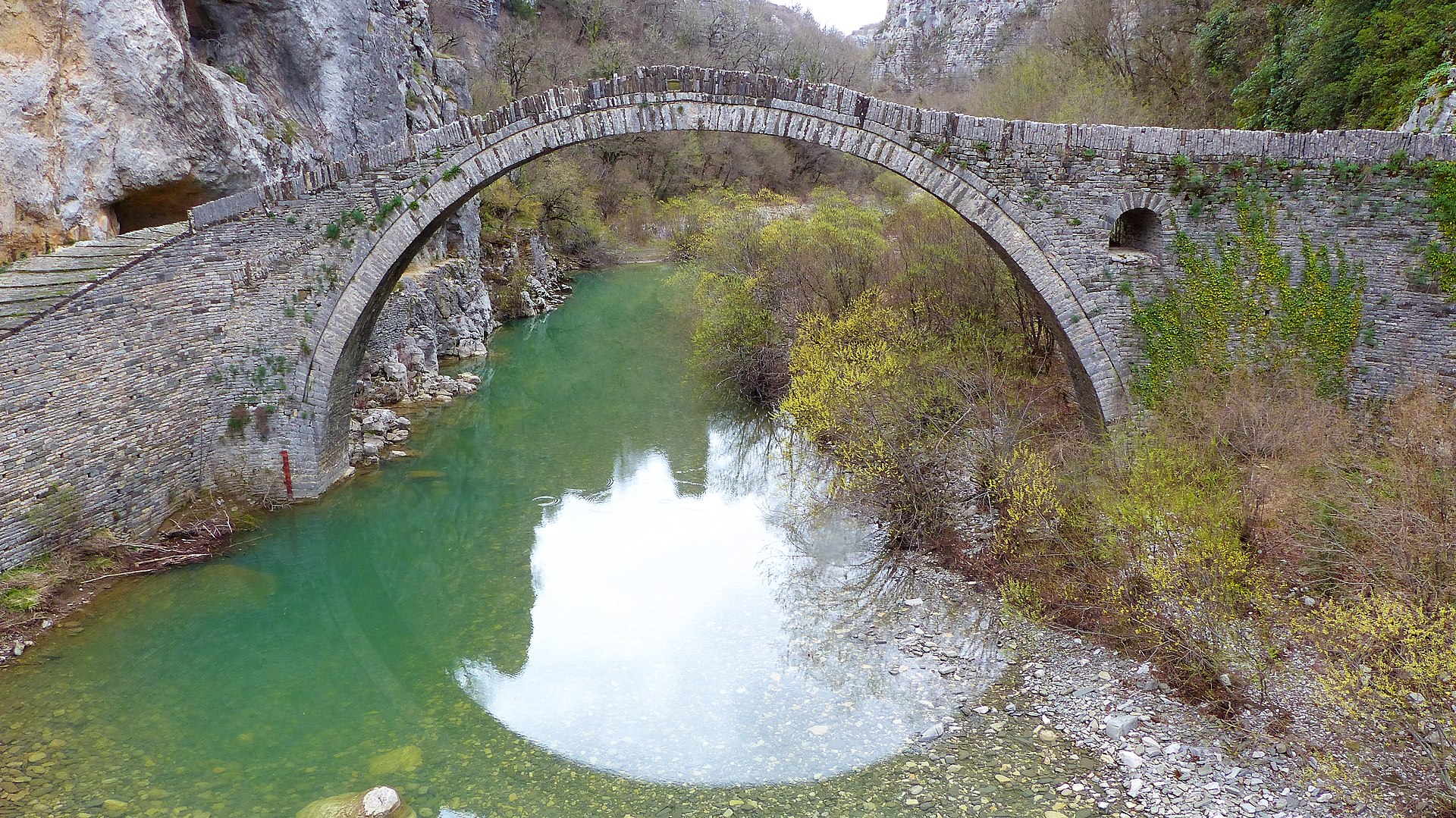
Zagori, in the Epirus region, is one of the best Greek mainland destinations for mountain villages, stone bridges, and outdoor travel. The region’s traditional settlements, including Papigo and Monodendri, have a strong sense of place, while Vikos Gorge provides some of Greece’s most memorable hiking scenery.

The terrain makes short distances take longer than expected. Zagori is ideal for travelers who prefer walking trails, guesthouses, and cool evenings over beach clubs. Visit from late spring through early fall for the broadest range of outdoor options.

9. Ioannina

Ioannina is a lakeside city with Ottoman-era history, a lively student population, and easy access to Epirus. Its castle area, waterfront, and island on Lake Pamvotida make it more than a functional base. It is also one of the better places to experience northern Greek cuisine, including pies, grilled meats, and regional cheeses.

Stay here if you want more restaurants and services than a Zagori village can offer. Two nights works well, particularly when combined with a day trip into the mountains.

10. Delphi

Delphi has an archaeological setting that feels as important as the ruins themselves. The sanctuary, theater, stadium, and museum overlook a broad valley of olive groves stretching toward the Gulf of Corinth. It is a compact visit, but an early or late arrival improves the experience.

Many travelers visit Delphi as a long day trip from Athens. Staying overnight in Delphi or nearby Arachova is usually the better choice, especially if you prefer a less rushed visit. Arachova adds mountain-town restaurants and winter access to the Parnassus ski area, though prices can rise on weekends.

11. The Mani Peninsula

The Mani Peninsula in the southern Peloponnese is rugged, dry, and less polished than Greece’s better-known beach regions. Stone tower houses, quiet villages, dramatic coastal roads, and places such as Areopoli, Limeni, and Gerolimenas give it a distinct identity.

This is a destination for independent travelers who enjoy driving and do not need a packed activity schedule. The beaches are not always wide or sandy, but the water and scenery are excellent. Combine Mani with Nafplio, Monemvasia, or the Messenian coast if you have at least a week for the Peloponnese.

Discover the spectacular Diros Caves in Mani. Learn about the famous boat tour, ticket prices, opening hours, history, and travel tips for one of Europe’s most beautiful cave systems.

12. Parga and the Epirus Coast

Parga is a colorful coastal town with a harbor, hillside houses, nearby beaches, and easy access to the Ionian coastline. It is more resort-oriented than Zagori or Ioannina, but it still works well for travelers who want a mainland base with clear water and day-trip options.

The trade-off is summer demand. Central Parga can feel crowded in July and August, and parking is limited. Consider nearby Sivota or a property outside the center if you value quieter evenings and easier car access.

How to Choose the Right Mainland Greece Route

For a first visit of seven to nine nights, Athens, Nafplio, and Delphi or Meteora create a practical history-led route. Travelers who want beaches should combine Thessaloniki with Halkidiki, or Athens with the Peloponnese coast. For cooler scenery and active days, pair Ioannina, Zagori, and Meteora.

Driving gives you the most flexibility outside Athens and Thessaloniki, but it is not always necessary. Guided day trips suit travelers who do not want to manage parking, mountain roads, or site schedules.

May, June, September, and early October usually offer the easiest balance of weather, availability, and manageable crowds. High summer is best for a beach-first trip, but cities, archaeological sites, and inland roads can be very hot.

The most rewarding mainland itinerary is not the one that checks off the most places. Choose destinations with a clear connection – a region, a driving route, or a preferred travel pace – then leave space to stop for a village lunch, an uncrowded beach, or a view that was never on the original plan.

Greece trip planning becomes much easier when you stop treating the country as one destination. A week in Athens and the Cyclades has very different travel needs from a road trip through the Peloponnese or a family stay in Crete. The best plan starts with the pace, weather, and transport connections that fit your trip – not with a long list of islands.

Start Greece Trip Planning With Your Travel Window

Your travel dates determine nearly every major decision: where to go, how far to travel, what to reserve early, and how busy each place will feel. Greece has a long travel season, but the experience changes considerably from month to month.

For warm weather without peak summer crowds, late May through June and September through early October are often the most balanced periods. Sea temperatures are usually most comfortable from June through October, while cities and archaeological sites are easier to enjoy outside the hottest weeks. These shoulder-season months can also offer better availability in popular areas.

July and August work well for travelers who want guaranteed beach weather, energetic nightlife, and long days on the water. The trade-off is higher accommodation costs, busy ferries, and high temperatures, especially in Athens and inland destinations. If you travel then, reserve key stays and flights early and plan outdoor sightseeing for the morning or late afternoon.

Winter is a different kind of Greece trip. Athens, Thessaloniki, mountain villages, and larger islands such as Crete remain worthwhile, but many seasonal hotels, beach businesses, and ferry routes reduce operations. It can be an excellent choice for culture, food, and lower crowds, provided you build flexibility into your itinerary.

Choose Fewer Bases, Not More Destinations

A common mistake is trying to see Athens, Santorini, Mykonos, Crete, and several smaller islands in one short vacation. Each transfer uses more than the time shown on a schedule. You need time to check out, reach a port or airport, wait, travel, check in, and get oriented again.

For a first visit, one city and one or two additional bases usually creates a better trip. A seven-night itinerary might include two or three nights in Athens followed by four or five nights on one island. With 10 to 14 nights, adding a second island or a mainland region becomes realistic.

Think in travel clusters. The Cyclades suit travelers looking for whitewashed villages, beaches, and island-hopping options. The Ionian Islands are greener and often appeal to visitors who want relaxed beach days, scenic drives, and Venetian-influenced towns. Crete offers enough variety for a full vacation on its own, with beaches, cities, mountains, and strong local food traditions. The Peloponnese  combines ancient sites, coastal towns, and countryside.

The right choice depends on what you want most. Santorini is memorable for caldera views and sunsets, but it is not the best fit for travelers prioritizing broad sandy beaches or quiet streets in peak season. Mykonos offers beaches and dining alongside a social atmosphere, while Naxos or Paros may provide a more balanced pace for couples and families. There is no single best Greek island. There is only the island that matches your travel style and dates.

Build Around Transfer Reality

Before confirming accommodations, check how you will move between each stop. Ferries are central to many Greek island itineraries, but routes vary by season, weather, and island group. A direct route may operate only on certain days, while a connection through another port may turn a simple-looking transfer into a full-day journey.

Flights can be the practical choice for longer distances, particularly when connecting Athens with Crete, Rhodes, Corfu, or other islands with airports. They are not automatically faster once airport travel and baggage time are included, but they may preserve valuable vacation days. For short island-to-island routes, ferries are often the more logical option. Let Easytraveller’s experts book your transportation and enjoy a worry-free travel

Set a Clear Accommodation Strategy

Where you stay shapes the daily experience more than many travelers expect. A lower nightly rate outside a town center can cost time and money if you need taxis for every meal, beach, or evening walk. On the other hand, central areas can be noisy, particularly near nightlife districts and popular waterfronts.

Start by deciding what you need to reach on foot. In Athens, many visitors value access to historic neighborhoods, restaurants, and metro stations. On an island, staying near a port is convenient for arrivals and departures, but a village, beach area, or inland town may better suit the rest of the stay.

Families may prioritize a pool, kitchen facilities, parking, shallow beaches, and short walking distances. Couples may prefer a view, a quieter neighborhood, or easy evening dining. Friend groups should check bedroom layouts carefully, since a property described as sleeping six may rely on sofa beds or shared living spaces.

Plan Transport for the Place You Chose

Greece does not require a rental car everywhere. On islands and mainland routes, the answer depends on location. A car offers freedom in Crete, the Peloponnese, Corfu, Rhodes, and many less-connected areas. It is useful for reaching small beaches, mountain villages, and archaeological sites on your own schedule. However, it can be unnecessary in compact towns with frequent buses, limited parking, and narrow roads. Do not hesitate to ask us. We will be more than happy to help.

Reserve the Moments That Matter Most

You do not need to schedule every hour. You should reserve the limited parts of the trip that would be disappointing to miss. In high season, this often means accommodations, popular ferry routes, domestic flights, airport transfers, and a few highly sought-after restaurants or activities.

For historic sites, arriving early is usually more valuable than buying extra experiences. The Acropolis, Delphi, Knossos, and major museums reward a morning visit, when temperatures and crowds are more manageable. Carry water, sun protection, and shoes with grip for uneven stone paths.

EasyTraveller can help keep destination, stay, and travel decisions in one organized research process, but the final itinerary should still leave room for local conditions and personal preferences.

Prepare for Small Practical Details

A few simple preparations prevent avoidable friction. Keep digital and offline copies of passports, travel insurance, flight details, hotel confirmations, and ferry tickets. International visitors should verify entry requirements well before departure, since rules depend on passport and residency status.

Cards are widely accepted in cities and major resort areas, but carrying some euros remains useful for small purchases, remote locations, and occasional transport needs. Tell your bank about international travel if required, and confirm whether your phone plan includes Greece or whether an eSIM is a better option.

Pack for sun and surfaces, not just for photographs. Lightweight clothing, a swimsuit, a reusable water bottle, a hat, sunscreen, and supportive walking shoes are more useful than a suitcase full of formal outfits. For spring, fall, ferry decks, and cooler evenings, add a light layer.

Greek meals are often later than many US travelers expect, particularly in summer. Adjusting to the local rhythm can make the trip more enjoyable: tour early, rest during the warmest hours, then enjoy a slower evening. If you have dietary requirements, communicate them clearly and politely. Larger tourist areas are generally easier for specialized needs, while smaller villages may offer fewer choices.

A well-planned Greek vacation should not feel tightly controlled. Confirm the essentials, allow sensible transfer time, and choose places you will actually have time to enjoy. Once the logistics are in place, leave enough space for Greece to surprise you.

A Greece trip can look simple on a map until you try to fit an island ferry, a rental car, a hotel check-in, and a dinner reservation into the same afternoon. The best approach to planning a vacation to Greece is to make a few high-impact decisions first: when to travel, how many places to include, and what kind of holiday you actually want.

Greece rewards travelers who slow down. A well-paced trip with two or three connected stops usually feels more satisfying than a rushed itinerary built around checking off famous islands. Start with the experience, then choose the destinations and transport that support it.

Planning a Vacation to Greece Starts With Timing

Your travel dates affect prices, crowds, sea conditions, opening hours, and the type of Greece you will see. July and August bring reliable heat, lively islands, full ferry schedules, and the highest demand for flights and accommodation. They are a good fit for travelers who want beach time, nightlife, and a busy atmosphere, but popular places can feel crowded and expensive.

May, June, September, and October often offer the best balance. The weather is generally warm enough for swimming, while daytime sightseeing is more comfortable and accommodation choices are broader. September is especially useful for couples and independent travelers who want summer conditions with less pressure on transport and restaurants.

Winter has a different appeal. Athens, Thessaloniki, mountain villages, and archaeological sites can be rewarding, but many seasonal island businesses close and ferry connections may be less frequent. If your trip depends on beach clubs, boat excursions, or a wide choice of waterfront restaurants, do not assume they will operate outside the main season.

Choose a Route, Not a Long Wish List

Greece has hundreds of islands and strong mainland destinations, but distance matters. A route that appears short can require a flight, a port transfer, and a ferry crossing. Changing location every two nights can turn a relaxing holiday into a series of packing days.

For a first visit, Athens plus one island group or one mainland region is often enough. Spend at least two full nights in each stop, and add a third or fourth night where you expect to relax. This gives you room for delayed ferries, late arrivals, and unplanned moments that make a trip memorable.

Match Destinations to Your Travel Style

Athens works well at the beginning or end of almost any itinerary. It offers major historic sites, neighborhoods with distinct character, restaurants at every price point, and the largest range of flight connections. Two or three nights gives most visitors enough time without taking too much from a beach-focused trip.

The Cyclades are the classic choice for whitewashed villages, sea views, and island-hopping. Santorini is known for its caldera scenery and romantic stays, while Mykonos suits travelers looking for dining, beaches, and nightlife. Naxos and Paros can offer a more balanced mix of villages, beaches, and local life. Each has a different price point and pace, so famous does not always mean best for your group.

Crete is a strong option for travelers who want one destination with variety. It has beaches, historic towns, mountain drives, food culture, and accommodation ranging from simple rooms to full-service resorts. Because the island is large, treat it like a region rather than a single stop. Staying in both the west and east may be worthwhile on a longer trip.

The Ionian Islands, including Corfu, Kefalonia, and Zakynthos, are known for green landscapes, clear water, and a more relaxed road-trip feel. They can be particularly practical for families and travelers who prefer renting a car. On the mainland, the Peloponnese combines ancient sites, coastal towns, and flexible driving routes, while Meteora offers a dramatic cultural stop that pairs naturally with Athens and Delphi.

Build Transport Around Your Arrival and Departure

International flights commonly arrive in Athens, but direct seasonal flights may serve islands and regional airports. An open-jaw itinerary, where you arrive in one city and leave from another, can save time if it removes the need to backtrack. It depends on flight availability and whether the convenience justifies the fare difference.

Domestic flights are useful for longer distances, especially between Athens and Crete, Rhodes, Corfu, or other larger islands. Ferries are part of the Greek travel experience, but they should be treated as scheduled transport, not a casual shortcut. Check the departure port, travel time, luggage requirements, and whether the vessel is a conventional ferry or a faster high-speed service.

High-speed ferries reduce time on the water but can cost more and may feel less comfortable in rough conditions. Conventional ferries are slower, yet often have more outdoor space and can be a better choice for travelers who do not enjoy motion. Allow extra time before a flight after a ferry journey, particularly when traveling in shoulder season or during windy weather.

Rental cars are helpful in Crete, the Peloponnese, the Ionian Islands, and rural mainland areas. They are less useful in central Athens, where traffic, parking, and narrow streets add friction. If you plan to drive, request an automatic vehicle early. Availability can be limited during summer, and some island roads are better suited to confident drivers.

Select Accommodation by Location First

A lower room rate is not always a better deal if the property is far from the beach, village center, port, or transport stop you will use every day. Let the travel exerts of Easytraveller do the search before and give you the best advice.

For short island stays, being close to the main town or a reliable bus route can make the trip easier. For families, a kitchen, pool, shaded outdoor space, and convenient parking may matter more than being in the center. Couples may value views and privacy, but should still confirm how easily they can reach restaurants and beaches.

On islands with steep terrain, a sea-view room can involve a significant climb. This is not necessarily a problem, but it should be an intentional choice. Read the property description carefully and consider arrival logistics if you have large luggage, young children, or limited mobility.

Plan Activities With Space for the Unexpected

Reserve high-demand experiences ahead when timing matters. This can include popular archaeological sites at peak hours, private sailing trips, special restaurants, and limited-capacity excursions. For everything else, leave open time. A beach you discover on the way, a village bakery, or a long lunch by the harbor is often more valuable than another scheduled stop.

When creating a daily plan, group activities by area. Athens is easier when you combine the Acropolis area, Plaka, and nearby museums on the same day. On an island, avoid trying to visit distant beaches and villages without allowing for winding roads, parking, and midday heat.

Pack for the conditions you will actually face. Comfortable walking shoes are more useful than formal footwear on cobbled streets and archaeological sites. Sun protection, a refillable water bottle, light layers for ferry decks, and a small day bag cover most situations. Keep medication, travel documents, and a change of clothes in your carry-on when using ferries or domestic flights.

Keep the Budget Flexible Where It Counts

Set aside a contingency amount for transport changes, beach equipment, taxis, and last-minute meals. Island prices vary widely, and a destination that looks affordable in spring may cost considerably more in August. Booking major transport and accommodation early gives you more control, while leaving some dining and activity spending flexible keeps the holiday enjoyable.

Use a single planning view for booking references, ferry times, addresses, and contact details. EasyTraveller can help bring destination, accommodation, transport, and activity research into a clearer planning process, but always keep essential confirmations available offline as well. Mobile coverage is generally good, though it is not a substitute for having your arrival details ready.

A Greece vacation works best when the itinerary has room to breathe. Choose fewer stops, protect your transfer days, and let each destination have enough time to feel like a place rather than a backdrop. That is how a practical travel plan becomes a holiday you can genuinely enjoy.

Quick Snapshot

“Ever wondered why some backpacks feel like they disappear on your shoulders while others drain your energy within an hour? The secret is choosing based on how you move, not just where you go. This guide helps you find the perfect balance of comfort, fit, and function for effortless travel.“

On a narrow train platform somewhere between cities, or halfway up a trail where the wind starts to pick up, most travelers eventually notice the same thing: the quality of your journey quietly depends on what you are carrying on your back. At first, it feels insignificant. A bag is just a bag. But after a few hours of walking, waiting, or climbing, it either blends into your movement—or starts shaping it.

A good travel pack—whether it’s for long journeys, weekend escapes, or even a corporate backpack used during frequent business travel—disappears into your routine. A poor one constantly asks for attention through pressure, heat, imbalance, or awkward access. Choosing the right one is less about specifications or branding, and more about how naturally it supports sustained movement under real conditions.

Think About How You Move, Not Just Where You Go

Most people choose travel gear based on destination—mountains, cities, beaches—but the real difference comes from movement patterns, not geography.
Some journeys involve long, uninterrupted walking with minimal stops, where stability and balanced load distribution become essential. Others involve frequent access—opening compartments, reaching for items, moving through transport hubs—where convenience and layout matter more than perfect load symmetry.
In practical terms, long-distance walking demands stability above all else, because even small shifts in weight begin to affect posture and energy over time. Meanwhile, more urban or mixed travel styles benefit from designs that allow quick access without constantly removing the pack.
Understanding how your trip moves, not just where it goes, is the foundation of making the right choice.

Capacity Feels Different Once It Is Fully Loaded

Volume in liters is often treated as a simple number, but in real use, it quietly influences behavior more than most travelers expect.
A larger pack does not just “hold more”—it subtly encourages overpacking. Extra space often becomes extra weight, and that weight rarely improves the journey.
In practical use:
– A 20–25L setup is ideal for short-day travel, carrying essentials such as water, light layers, and compact gear without encouraging unnecessary load.
– A 30–50L range fits multi-day travel where balance between space and restraint becomes important.
– Anything beyond 50L is generally reserved for extended expeditions or situations where resupply is limited or unavailable.
The real objective is not maximizing capacity but maintaining control over the weight carried so that movement remains efficient and sustainable over time.

Fit Matters More Than Features or Appearance

A travel pack can feel comfortable in a store and behave completely differently once weight is added. The key difference lies in how effectively it distributes load across the body.
Human biomechanics are designed to carry sustained weight through the hips, not the shoulders. When a system is properly fitted, this principle becomes immediately noticeable in motion.
– The hip belt should sit firmly on the upper hip bones and carry the majority of the load
– The shoulder straps should stabilize rather than support weight
– The torso length adjustment must align the internal frame with your back structure
When weight remains concentrated on the shoulders, fatigue builds quickly, and posture deteriorates faster than expected. When properly transferred to the hips, endurance improves significantly—even under heavier loads.
Fit is not a comfort feature; it is a structural requirement for long-duration carrying.

Internal Frame vs External Frame: A Practical Comparison

Different travel environments demand different structural behaviors, and this is where frame design becomes critical.
Internal frame systems keep the load close to the spine, which improves balance and reduces lateral movement. This becomes especially important when navigating uneven terrain, stairs, or constantly changing direction in transit-heavy travel.
External frame systems, by contrast, are built for rigid load support and can handle heavier weights in stable, linear movement conditions. However, they tend to feel less adaptable in modern travel environments where motion is irregular, and space is limited.
To put it simply:
– City and mixed travel: internal frame feels more natural and fluid
– Heavy, structured carrying in stable conditions: external frame can still be effective
For most contemporary travelers, internal frame systems offer a better balance of comfort, adaptability, and control.

Materials Matter Most at Stress Points

Durability is rarely about overall thickness of fabric. In real-world use, failure almost always begins at specific stress zones.
The most critical areas include:
– The base panel, where weight and impact accumulate
– Shoulder strap junctions, where continuous tension is applied
– Zipper seams, which undergo repeated mechanical stress
Even high-grade fabric can underperform if these structural points are weak or poorly reinforced.
Weather resistance is similarly misunderstood. Most travel packs handle light rain without issue, but sustained exposure requires either proper coating, seam construction quality, or additional protective coverage. In practice, reliability depends on construction integrity as much as material labeling.

Access Design Shapes Daily Travel Rhythm

Once on the move, how quickly and intuitively you can access your belongings becomes more important than how much you can carry.
Top-loading designs are simple and secure, but require full unpacking for deeper access. Front-opening systems allow suitcase-style organization, making retrieval faster and more structured. Side-access points add flexibility, especially when you need essentials without fully stopping or removing the pack.
The real distinction is not the number of openings, but how naturally the layout fits your movement rhythm during actual travel.

Real Comfort Is Proven Through Everyday Use and Movement

Initial comfort can be misleading. Real comfort reveals itself only after extended walking.
Three factors define long-term we arability:
– Heat buildup: Poor ventilation can hold excess heat against the back, which may gradually lead to discomfort and tiredness.
– Pressure distribution: Uneven straps or poorly designed hip support create localized stress points that intensify over time.
– Stability in motion: A shifting load forces constant micro-adjustments, which increases physical exhaustion even if weight is moderate.
The ideal design does not focus on feeling overly plush; instead, it delivers balance, stability, and dependable performance throughout use.

A Useful Comparison: City Travel vs Day Hiking Setups

Not all travel styles demand the same kind of carrying system, and the differences become clear when comparing use cases.
For city-based travel, frequent access, lightweight packing, and compact design matter more than heavy structural support. Ease of movement through transport, cafes, airports, and streets takes priority.
For day hiking or outdoor routes, stability, weight distribution, and load control become more important, especially when movement is continuous and physical strain is higher.
The mistake many travelers make is choosing one extreme for both scenarios. In reality, the best choice depends on which environment dominates your actual journey—not the one you imagine using most.

Features Only Matter When They Reduce Effort

Many added features sound useful but only matter if they reduce real-world friction during travel.
The most practically valuable features include:
– Hydration compatibility, which reduces stop frequency
– Compression straps, which stabilize load and reduce internal shifting
– External attachment points, useful for specialized or bulky gear
Features that add complexity without improving movement often become irrelevant once the journey begins.
A well-designed system is not one that feels feature-rich, but one where useful functions quietly disappear into the experience.

Backpack Mistakes That Quietly Ruin Entire Trips

Many backpack problems don’t show up in stores—they appear when you’re already on the trail.
One major mistake is choosing style over structure. A visually appealing backpack often sacrifices support systems that matter most during long wear.
Another common issue is ignoring weight distribution. People tend to pack heavy items at the top or outside pockets, making the bag unstable and harder to control.
Overpacking is another silent problem. Even with a large backpack, carrying unnecessary items increases fatigue dramatically over time.
Lastly, failing to test the backpack with weight before the trip is a critical oversight. A bag that feels fine empty may behave very differently under load.
Avoiding these mistakes is often more important than choosing the “perfect” brand.

Final Evaluation Before Choosing

The most reliable decision test is not visual inspection—it is loaded movement.
When properly tested under realistic weight, a good system will show three clear signs:
– The load remains stable without constant adjustment
– Most weight rests naturally on the hips rather than the shoulders
– Movement feels continuous rather than interrupted by discomfort or correction
When these conditions are met, the pack stops being an object you manage and becomes part of how you move through space.
At that point, the right choice is no longer about features or comparison—it is about whether the system supports your journey without resistance.