Greece trip planning becomes much easier when you stop treating the country as one destination. A week in Athens and the Cyclades has very different travel needs from a road trip through the Peloponnese or a family stay in Crete. The best plan starts with the pace, weather, and transport connections that fit your trip – not with a long list of islands.
Start Greece Trip Planning With Your Travel Window
Your travel dates determine nearly every major decision: where to go, how far to travel, what to reserve early, and how busy each place will feel. Greece has a long travel season, but the experience changes considerably from month to month.
For warm weather without peak summer crowds, late May through June and September through early October are often the most balanced periods. Sea temperatures are usually most comfortable from June through October, while cities and archaeological sites are easier to enjoy outside the hottest weeks. These shoulder-season months can also offer better availability in popular areas.
July and August work well for travelers who want guaranteed beach weather, energetic nightlife, and long days on the water. The trade-off is higher accommodation costs, busy ferries, and high temperatures, especially in Athens and inland destinations. If you travel then, reserve key stays and flights early and plan outdoor sightseeing for the morning or late afternoon.
Winter is a different kind of Greece trip. Athens, Thessaloniki, mountain villages, and larger islands such as Crete remain worthwhile, but many seasonal hotels, beach businesses, and ferry routes reduce operations. It can be an excellent choice for culture, food, and lower crowds, provided you build flexibility into your itinerary.
Choose Fewer Bases, Not More Destinations
A common mistake is trying to see Athens, Santorini, Mykonos, Crete, and several smaller islands in one short vacation. Each transfer uses more than the time shown on a schedule. You need time to check out, reach a port or airport, wait, travel, check in, and get oriented again.
For a first visit, one city and one or two additional bases usually creates a better trip. A seven-night itinerary might include two or three nights in Athens followed by four or five nights on one island. With 10 to 14 nights, adding a second island or a mainland region becomes realistic.
Think in travel clusters. The Cyclades suit travelers looking for whitewashed villages, beaches, and island-hopping options. The Ionian Islands are greener and often appeal to visitors who want relaxed beach days, scenic drives, and Venetian-influenced towns. Crete offers enough variety for a full vacation on its own, with beaches, cities, mountains, and strong local food traditions. The Peloponnese combines ancient sites, coastal towns, and countryside.
The right choice depends on what you want most. Santorini is memorable for caldera views and sunsets, but it is not the best fit for travelers prioritizing broad sandy beaches or quiet streets in peak season. Mykonos offers beaches and dining alongside a social atmosphere, while Naxos or Paros may provide a more balanced pace for couples and families. There is no single best Greek island. There is only the island that matches your travel style and dates.
Build Around Transfer Reality
Before confirming accommodations, check how you will move between each stop. Ferries are central to many Greek island itineraries, but routes vary by season, weather, and island group. A direct route may operate only on certain days, while a connection through another port may turn a simple-looking transfer into a full-day journey.
Flights can be the practical choice for longer distances, particularly when connecting Athens with Crete, Rhodes, Corfu, or other islands with airports. They are not automatically faster once airport travel and baggage time are included, but they may preserve valuable vacation days. For short island-to-island routes, ferries are often the more logical option. Let Easytraveller’s experts book your transportation and enjoy a worry-free travel
Set a Clear Accommodation Strategy
Where you stay shapes the daily experience more than many travelers expect. A lower nightly rate outside a town center can cost time and money if you need taxis for every meal, beach, or evening walk. On the other hand, central areas can be noisy, particularly near nightlife districts and popular waterfronts.
Start by deciding what you need to reach on foot. In Athens, many visitors value access to historic neighborhoods, restaurants, and metro stations. On an island, staying near a port is convenient for arrivals and departures, but a village, beach area, or inland town may better suit the rest of the stay.
Families may prioritize a pool, kitchen facilities, parking, shallow beaches, and short walking distances. Couples may prefer a view, a quieter neighborhood, or easy evening dining. Friend groups should check bedroom layouts carefully, since a property described as sleeping six may rely on sofa beds or shared living spaces.
Plan Transport for the Place You Chose
Greece does not require a rental car everywhere. On islands and mainland routes, the answer depends on location. A car offers freedom in Crete, the Peloponnese, Corfu, Rhodes, and many less-connected areas. It is useful for reaching small beaches, mountain villages, and archaeological sites on your own schedule. However, it can be unnecessary in compact towns with frequent buses, limited parking, and narrow roads. Do not hesitate to ask us. We will be more than happy to help.
Reserve the Moments That Matter Most
You do not need to schedule every hour. You should reserve the limited parts of the trip that would be disappointing to miss. In high season, this often means accommodations, popular ferry routes, domestic flights, airport transfers, and a few highly sought-after restaurants or activities.
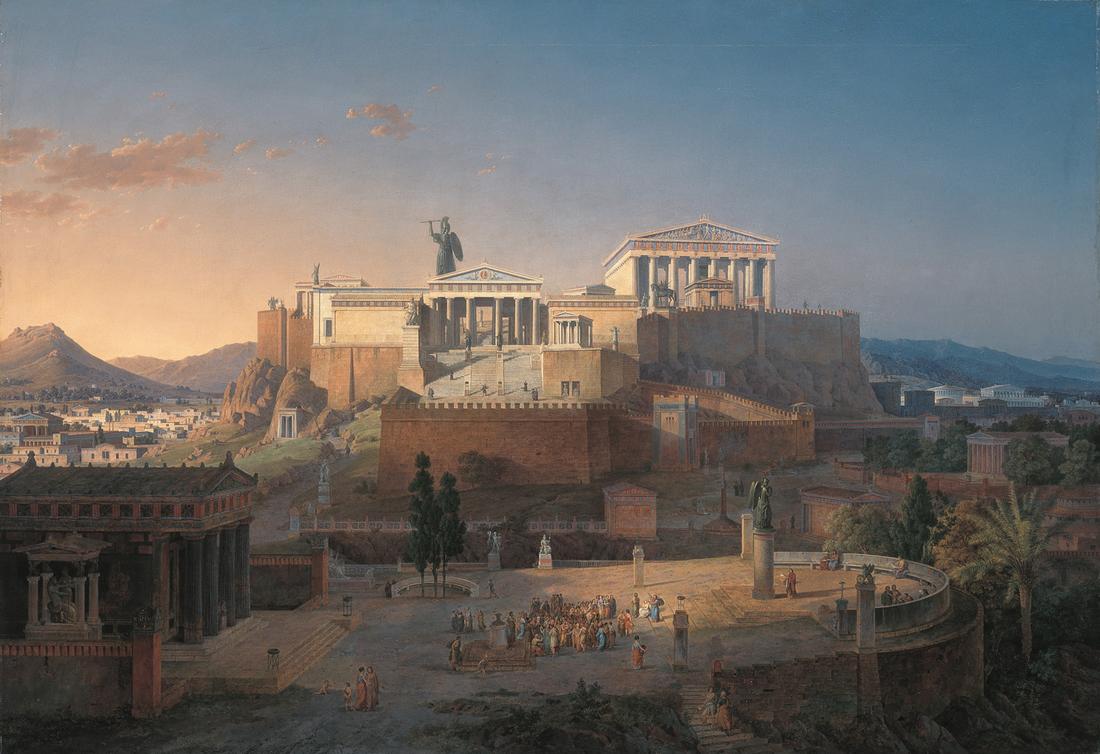
For historic sites, arriving early is usually more valuable than buying extra experiences. The Acropolis, Delphi, Knossos, and major museums reward a morning visit, when temperatures and crowds are more manageable. Carry water, sun protection, and shoes with grip for uneven stone paths.
EasyTraveller can help keep destination, stay, and travel decisions in one organized research process, but the final itinerary should still leave room for local conditions and personal preferences.
Prepare for Small Practical Details
A few simple preparations prevent avoidable friction. Keep digital and offline copies of passports, travel insurance, flight details, hotel confirmations, and ferry tickets. International visitors should verify entry requirements well before departure, since rules depend on passport and residency status.
Cards are widely accepted in cities and major resort areas, but carrying some euros remains useful for small purchases, remote locations, and occasional transport needs. Tell your bank about international travel if required, and confirm whether your phone plan includes Greece or whether an eSIM is a better option.
Pack for sun and surfaces, not just for photographs. Lightweight clothing, a swimsuit, a reusable water bottle, a hat, sunscreen, and supportive walking shoes are more useful than a suitcase full of formal outfits. For spring, fall, ferry decks, and cooler evenings, add a light layer.
Greek meals are often later than many US travelers expect, particularly in summer. Adjusting to the local rhythm can make the trip more enjoyable: tour early, rest during the warmest hours, then enjoy a slower evening. If you have dietary requirements, communicate them clearly and politely. Larger tourist areas are generally easier for specialized needs, while smaller villages may offer fewer choices.
A well-planned Greek vacation should not feel tightly controlled. Confirm the essentials, allow sensible transfer time, and choose places you will actually have time to enjoy. Once the logistics are in place, leave enough space for Greece to surprise you.