Greece’s mainland rewards travelers who want more than a single resort base. The best Greek mainland destinations combine ancient landmarks, excellent food, mountain scenery, working towns, and coastlines that are often easier to reach than the islands.
For a first trip, avoid trying to cover the entire country in one week. Mainland Greece is larger and more varied than many visitors expect. Choose two or three regions, allow time for road journeys, and build an itinerary around the experiences that matter most to you. Our travel experts at easytraveller.gr will help you organizing your trip and give you advice on the places to visit
Best Greek Mainland Destinations for Different Trips
1. Athens
Athens works best as both a destination and a practical starting point. The Acropolis, Ancient Agora, Acropolis Museum, Plaka, and Monastiraki can comfortably fill two or three days, while neighborhoods such as Koukaki and Pangrati give the city a more local rhythm.
It is also the easiest place to organize onward travel. Athens has the country’s main international airport, major rail and bus connections, and access to Piraeus for ferries. Stay centrally if sightseeing is the priority; choose the Athenian Riviera if you want city access with a beach-oriented base.
2. Nafplio
Nafplio is one of the most convenient short breaks from Athens and a strong choice for couples, families, and first-time visitors. Its old town has neoclassical streets, waterfront walks, small museum, and the impressive Palamidi Fortress above the city.
The larger advantage is its location in the Argolis region. From here, you can visit Mycenae, Epidaurus, and the ancient site of Tiryns without changing hotels. It is an easy destination for a two- or three-night road trip, especially in spring and fall when the archaeological sites are more comfortable to explore.
3. The Pelion Peninsula
Pelion is for travelers who do not want to choose between mountains and the sea. Traditional stone villages sit on forested slopes, while the eastern coast offers clear-water beaches and small coves. Portaria and Makrinitsa are convenient near Volos; Tsagarada and Zagora provide a quieter, greener base farther east.
Pelion is particularly appealing outside peak summer, when hiking, village meals, and cooler temperatures add as much value as the beaches.
4. Meteora
Meteora delivers one of Greece’s most distinctive landscapes: centuries-old monasteries built on immense sandstone rock pillars. It is visually dramatic, but it also requires sensible planning. The monasteries have individual visiting hours and dress requirements, so check schedules before arrival.
Kalambaka and Kastraki are the main places to stay. Kastraki feels smaller and sits closer to the rocks, while Kalambaka has more services and transport options. One full day is enough for a focused visit, but two nights create a more relaxed schedule and allow time for sunrise views or guided walks. Taking one of our organized tours will save you time and our expert guides will give you more information
5. Thessaloniki
Thessaloniki is Greece’s most useful northern city break. It has a waterfront promenade, Roman and Byzantine monuments, markets, museums, and a food scene that feels less formal and more everyday than Athens. The White Tower, Ano Poli, Rotunda, and Aristotelous Square are straightforward starting points.
Choose Thessaloniki if you want urban energy without an over packed itinerary. It is also a practical gateway to Halkidiki, Mount Olympus, Vergina, and northern Greece. For food-focused travelers, plan extra time rather than treating it only as an overnight stop.
6. Halkidiki
Halkidiki is known for its three peninsulas, or “legs,” each with a different travel style. Kassandra is more developed, with resort hotels and nightlife. Sithonia is better for scenic drives, pine-backed beaches, and a slower pace. Mount Athos is a special case: access is restricted, and the monastic republic is not a standard tourist area.
For most international visitors, Sithonia is the better fit if the goal is a relaxed beach vacation with room to explore. A rental car makes a major difference, particularly if you want to find beaches beyond your hotel area. July and August are lively but busy; June and September are often the more balanced months.
7. Mount Olympus and Litochoro
Mount Olympus is not only for serious climbers. Litochoro, the main gateway town, offers accessible trails, tavernas, and views toward the mountain and the Aegean. More experienced hikers can arrange routes toward the higher refuges, but conditions and equipment matter, even in warmer months.
Mount Olympus was officially inscribed on the UNESCO World Heritage List in July 2026 as a mixed cultural and natural site, recognizing both its exceptional biodiversity and its importance in Greek mythology. Greece’s Mountain of the Gods Earns Global Recognition
This area pairs well with Thessaloniki or Meteora. It is a good option for active travelers who want a nature break between historic cities and beach destinations. If hiking is central to your trip, stay long enough to account for weather changes rather than planning a single fixed summit day.
8. Zagori
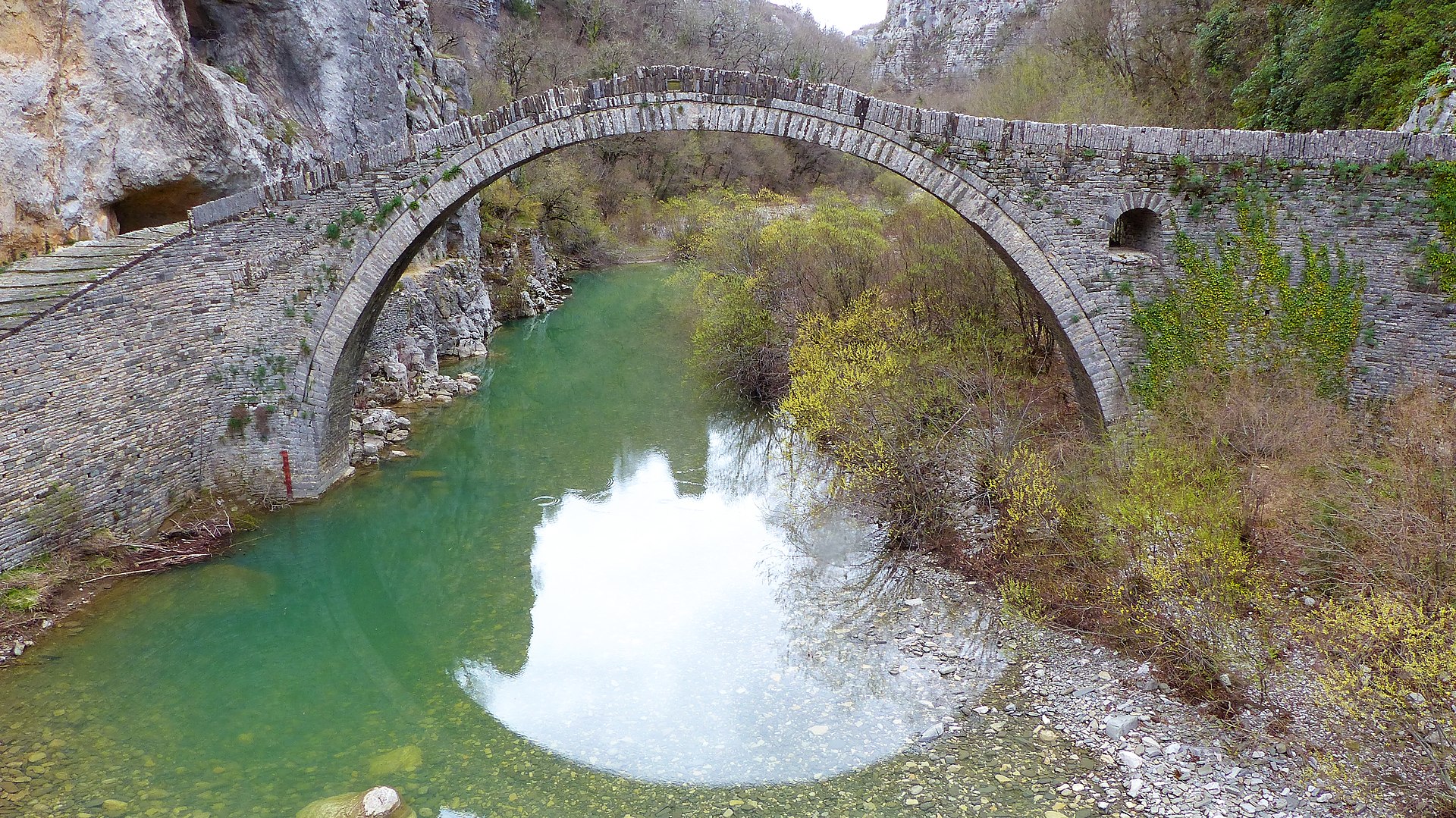
Zagori, in the Epirus region, is one of the best Greek mainland destinations for mountain villages, stone bridges, and outdoor travel. The region’s traditional settlements, including Papigo and Monodendri, have a strong sense of place, while Vikos Gorge provides some of Greece’s most memorable hiking scenery.
The terrain makes short distances take longer than expected. Zagori is ideal for travelers who prefer walking trails, guesthouses, and cool evenings over beach clubs. Visit from late spring through early fall for the broadest range of outdoor options.
9. Ioannina
Ioannina is a lakeside city with Ottoman-era history, a lively student population, and easy access to Epirus. Its castle area, waterfront, and island on Lake Pamvotida make it more than a functional base. It is also one of the better places to experience northern Greek cuisine, including pies, grilled meats, and regional cheeses.
Stay here if you want more restaurants and services than a Zagori village can offer. Two nights works well, particularly when combined with a day trip into the mountains.
10. Delphi
Delphi has an archaeological setting that feels as important as the ruins themselves. The sanctuary, theater, stadium, and museum overlook a broad valley of olive groves stretching toward the Gulf of Corinth. It is a compact visit, but an early or late arrival improves the experience.
Many travelers visit Delphi as a long day trip from Athens. Staying overnight in Delphi or nearby Arachova is usually the better choice, especially if you prefer a less rushed visit. Arachova adds mountain-town restaurants and winter access to the Parnassus ski area, though prices can rise on weekends.
11. The Mani Peninsula
The Mani Peninsula in the southern Peloponnese is rugged, dry, and less polished than Greece’s better-known beach regions. Stone tower houses, quiet villages, dramatic coastal roads, and places such as Areopoli, Limeni, and Gerolimenas give it a distinct identity.
This is a destination for independent travelers who enjoy driving and do not need a packed activity schedule. The beaches are not always wide or sandy, but the water and scenery are excellent. Combine Mani with Nafplio, Monemvasia, or the Messenian coast if you have at least a week for the Peloponnese.
Discover the spectacular Diros Caves in Mani. Learn about the famous boat tour, ticket prices, opening hours, history, and travel tips for one of Europe’s most beautiful cave systems.
12. Parga and the Epirus Coast
Parga is a colorful coastal town with a harbor, hillside houses, nearby beaches, and easy access to the Ionian coastline. It is more resort-oriented than Zagori or Ioannina, but it still works well for travelers who want a mainland base with clear water and day-trip options.
The trade-off is summer demand. Central Parga can feel crowded in July and August, and parking is limited. Consider nearby Sivota or a property outside the center if you value quieter evenings and easier car access.
How to Choose the Right Mainland Greece Route
For a first visit of seven to nine nights, Athens, Nafplio, and Delphi or Meteora create a practical history-led route. Travelers who want beaches should combine Thessaloniki with Halkidiki, or Athens with the Peloponnese coast. For cooler scenery and active days, pair Ioannina, Zagori, and Meteora.
Driving gives you the most flexibility outside Athens and Thessaloniki, but it is not always necessary. Guided day trips suit travelers who do not want to manage parking, mountain roads, or site schedules.
May, June, September, and early October usually offer the easiest balance of weather, availability, and manageable crowds. High summer is best for a beach-first trip, but cities, archaeological sites, and inland roads can be very hot.
The most rewarding mainland itinerary is not the one that checks off the most places. Choose destinations with a clear connection – a region, a driving route, or a preferred travel pace – then leave space to stop for a village lunch, an uncrowded beach, or a view that was never on the original plan.