A Greek island trip can go wrong before the first ferry departs. Booking a beautiful hotel on an island with limited connections, arriving during the busiest week of summer, or trying to visit four islands in six days can turn a relaxing vacation into a transport schedule.
Knowing how to choose Greek islands starts with practical questions: How much time do you have? When are you traveling? Do you want beaches, nightlife, hiking, villages, history, or quiet? The right island is not necessarily the one you have seen most often online. It is the one that fits your arrival airport, budget, pace, and travel companions. Make your research and ask the travel experts of Easytraveller.gr to give you their advise and make all the reservations for an easy going vacation
Start With Your Non-Negotiables
Before comparing islands, decide what your trip needs to include. A couple planning a short break may prioritize direct flights, a walkable town, and sunset restaurants. A family may need shallow beaches, reliable grocery stores, short transfer times, and a choice of accommodations. Friends may accept a later ferry if it means beach clubs and a lively evening scene.
Your travel dates matter just as much. Greece has a long travel season, but each period offers a different experience. July and August bring dependable swimming weather, long days, and the highest demand. They also bring higher prices, fuller ferries, stronger winds in some island groups, and crowded ports.
May, June, September, and early October usually offer a more balanced option. The sea is warmest later in the season, especially in September, while spring is better for walking, wildflowers, and sightseeing. From November through March, many seasonal hotels, restaurants, tours, and ferry routes operate on reduced schedules or close entirely but this is the season for discovering the hidden gems of the country and to visit the archaeological places with less crowds.
Choose a Greek Island Group First
There are thousands of Greek islands and islets, but most visitors will choose from a few main groups. Selecting a region first reduces the number of ferry routes, airports, and accommodation options you need to compare.
Cyclades: Classic Views and Easy Island Hopping
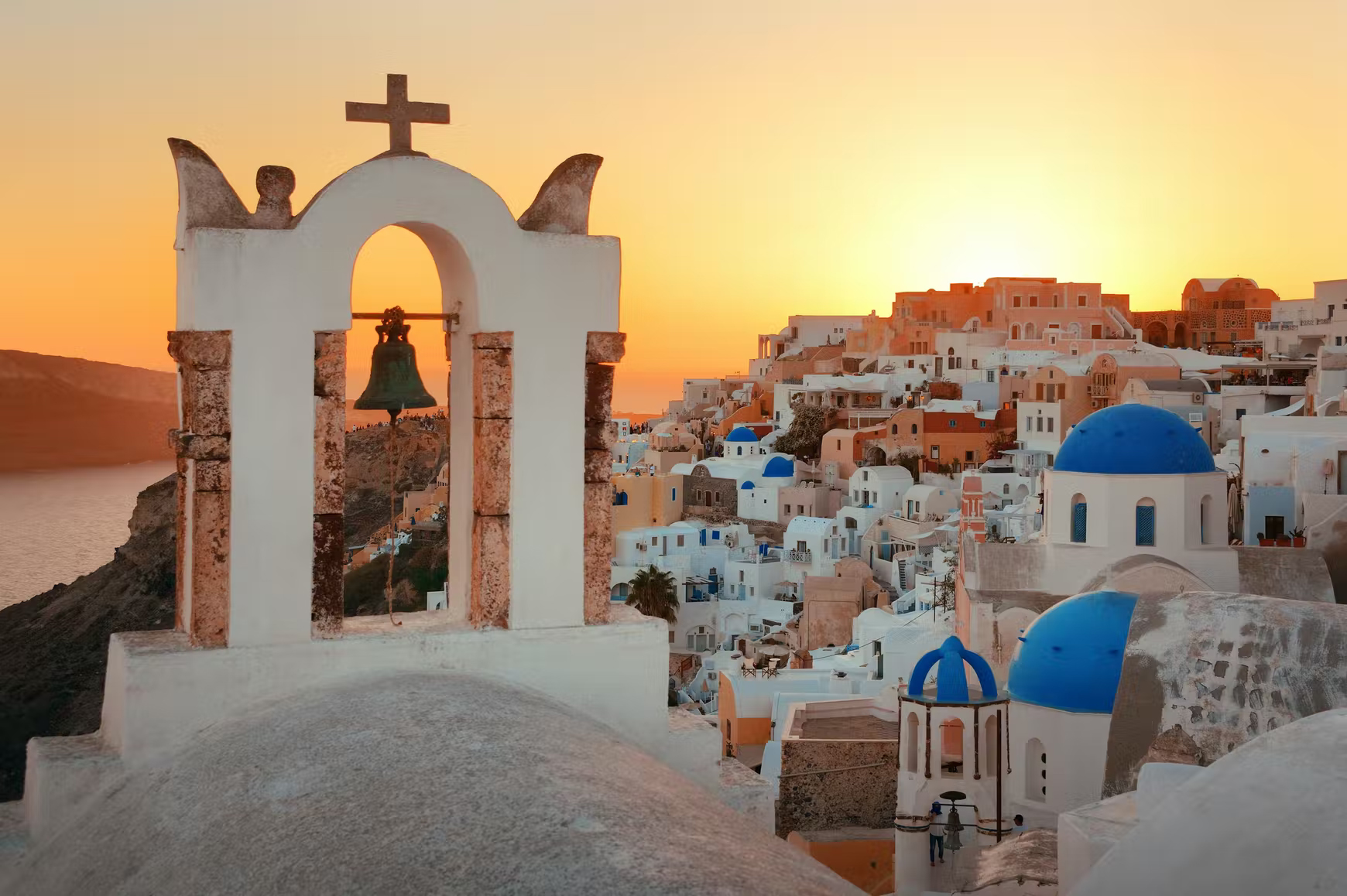
The Cyclades are the whitewashed, blue-domed islands many travelers picture first. Santorini, Mykonos, Naxos, Paros, Milos, Ios, and Syros are among the best known. They are a practical choice for first-time visitors because many have frequent summer ferry links from Athens and Rafina and between neighboring islands.
However, the Cyclades are not one experience. Santorini is dramatic and romantic, but it can be expensive and busy. Mykonos offers nightlife, restaurants, and style, but prices can rise quickly. Naxos and Paros are more flexible choices for beach time, villages, food, and families. Milos is known for unusual coastal scenery and boat trips, while Syros has a year-round town atmosphere and a more local rhythm.
The trade-off is wind. The meltemi, a strong northern summer wind, can affect beaches, boat trips, and ferry comfort, especially in July and August. It rarely stops a well-planned trip, but it is a reason to avoid over-packing your itinerary with tightly timed connections.
Ionian Islands: Green Landscapes and Calm Water
On Greece’s western coast, the Ionian Islands have greener scenery, Venetian influences, and many sheltered bays. Corfu, Kefalonia, Zakynthos, Lefkada, and Paxos appeal to travelers who want a mix of beaches, landscapes, and road-based exploration.
Corfu has a major airport and an atmospheric old town. Kefalonia suits travelers who want scenic drives and varied beaches. Lefkada is connected to the mainland by a causeway, which makes it especially convenient if you are traveling by car. Zakynthos has famous beaches and active resort areas, so location matters greatly depending on whether you want quiet or nightlife.
Island hopping is possible here, but ferry connections are generally less straightforward than within the central Cyclades. Choose the Ionian Islands for a slower, more independent road-trip feel rather than a rapid multi-island route.
Dodecanese: History, Sunshine, and Longer Stays
The Dodecanese sit in the southeastern Aegean, closer to the Turkish coast. Rhodes and Kos are the most accessible for international arrivals, while smaller islands such as Symi, Patmos, Karpathos, and Kalymnos reward travelers with more time.
Rhodes is a strong all-around option for families, couples, and history-focused visitors. It combines a medieval old town, resorts, beaches, and good local services. Kos is flatter and more bike-friendly, with a wide range of accommodations. Symi is compact and visually striking, but it is best treated as a quieter stop rather than a destination filled with large beaches.
Because this group is farther from Athens, it often makes sense to fly directly to Rhodes or Kos and explore nearby islands from there. Do not assume every route will be fast just because islands look close on a map.
Crete: A complete Destination
Crete is Greece’s largest island and deserves its own trip in many cases. It has cities, mountain villages, archaeological sites, excellent food, long beaches, and distinct regions that can feel very different from one another.
Chania is popular for its old harbor and access to western beaches. Heraklion is useful for flights, museums, and visiting Knossos. Rethymno offers a central base with a historic center, while eastern Crete can be calmer and less crowded in selected areas. Distances are substantial, so plan around one or two regions rather than trying to cover the whole island in a few days.
How to Choose Greek Islands by Travel Style
Once you have narrowed the region, match the island to the type of days you want. For a first trip centered on iconic views, choose Santorini, but stay at least two nights to make the logistics worthwhile. For a balanced beach-and-village vacation, Naxos, Paros, Rhodes, Corfu, or Crete offer more variety than smaller islands.
For quieter days, look at islands with fewer cruise visitors and less nightlife, such as Sifnos, Folegandros, Amorgos, Tinos, Patmos, or parts of Kefalonia. Quiet does not mean empty in August, so reserve accommodation early and check how far your hotel is from the port or main village.
For active travelers, Crete, Naxos, Andros, Tinos, and Kalymnos offer hiking, climbing, cycling, or wind sports. For families with younger children, favor islands with sandy beaches, easy road access, medical services, and short transfers. Naxos, Paros, Kos, Rhodes, Corfu, and Crete are usually easier choices.
Build the Itinerary Around Transport, Not Wishful Thinking
For trips of one week or less, stay on one island or choose two with a direct, frequent connection. This gives you room for weather delays, a relaxed arrival day, and time to enjoy each place. Three islands can work in 10 to 14 days when ferry routes align well.
Check the full journey, not just the ferry duration. Include the transfer from the airport to the port, recommended arrival time, boarding, sea conditions, port-to-hotel travel, and departure-day buffer. A two-hour ferry can easily take most of a day once these details are included.
Flights can simplify the plan. Santorini, Mykonos, Crete, Rhodes, Corfu, Kos, Skiathos, and several other islands have airports, though routes vary by season. Flying into one island and departing from another can save time, but only if the fare and baggage rules remain reasonable.
Avoid booking nonrefundable accommodation immediately after a tight ferry connection. Leave a buffer, particularly in shoulder season or when an itinerary depends on one daily route.
Set a Realistic Budget for the Island You Choose
The cost of a Greek island vacation changes sharply by location and timing. Santorini and Mykonos are usually the most expensive choices for hotels, dining, taxis, and peak-season availability. Smaller Cycladic islands may be less expensive, but limited rooms can still push prices up in August.
A hotel outside the main town can reduce the nightly rate, but calculate the transport cost before booking. On an island with scarce taxis or limited evening buses, a cheaper room may create more hassle than savings.
Spend according to your priorities. An ocean-view room may matter more on Santorini than on an island where you expect to spend every day driving to different beaches. A central location may matter more than a private pool if you want to walk to dinner and avoid relying on taxis.
Make the Final Decision With a Simple Filter
When two or three islands still appeal to you, compare them against the same criteria: total travel time, accommodation options in your budget, beach or activity access, local transport, dining choices, and the kind of evenings you want. A destination that meets most of your needs without complicated transfers is usually the better choice.
It also helps to give every island a role. Choose one as your main base, then add a second only if it offers a clearly different experience. For example, combine Santorini’s caldera views with Naxos’s beaches, or pair Rhodes with smaller Symi. Do not add an island simply because it is nearby.
A well-chosen Greek island trip leaves time for the unplanned parts: a late swim, a long lunch by the harbor, or a village you notice from the road. Build enough space into the route to say yes when those moments appear.