30 seconds summary

  • Traveling through Europe requires a balance of style and practicality. Choose bags that are both functional and fashionable—think sleek crossbody bags with anti-theft features, roomy yet chic backpacks for day trips, and versatile tote bags that double as carry-ons.

  • Opt for lightweight, durable materials and neutral tones that match any outfit.

  • Prioritize security, comfort, and adaptability to ensure you travel smart and look great doing it.

Traveling to Europe evokes visions of cobblestone streets, charming cafés, sweeping historical architecture, and of course, effortlessly chic style. Whether you’re planning a two-week Euro-trip, a romantic honeymoon, your luggage and carry-ons are essential elements of your travel experience. A well-designed travel bag not only carries your belongings—it complements your aesthetic, ensures your comfort, and makes transitions between airports, trains, and city strolls seamless.

In this comprehensive guide, we’ll walk you through the best bags for traveling in style, from fashionable totes and backpacks to the best travel laptop bag for digital nomads or remote workers. We’ll also explore what makes a bag both functional and fashionable, and offer specific recommendations suited for every kind of traveler heading to Europe—and beyond.

Why the Right Bag Matters

While a bag may seem like a utilitarian item, it can set the tone for your entire journey. A stylish and thoughtfully designed travel bag does more than just hold your belongings—it protects them, supports your comfort during transit, and aligns with your personal style. The perfect bag:

  • Keeps your essentials accessible
    Organizes your gear efficiently
    Supports your posture and mobility
    Meets airline carry-on standards
    Complements your travel wardrobe
    Blends function with fashion

In destinations like Paris, Milan, or Prague, where locals are known for their impeccable style, it’s a plus when your luggage looks just as chic as your outfit.

Categories of Travel Bags You Need

Depending on your trip’s length and purpose, you’ll likely need more than one type of bag. Here are the essential categories for a European getaway:

1. Carry-On Suitcase

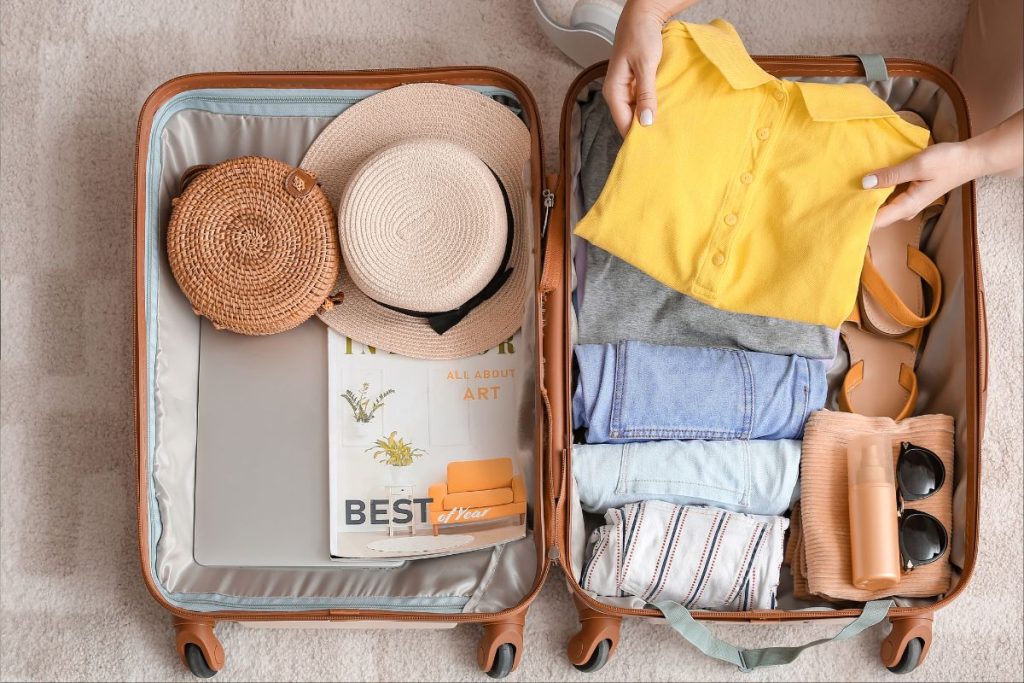
A hard-shell or soft-shell rolling carry-on is ideal for short trips or as a complement to checked luggage. Look for ones with expandable compartments and smooth spinner wheels.

2. Weekender or Duffel Bag

Perfect for weekend getaways. A weekender exudes classic style and fits easily in train overhead bins.

3. Backpack or Day pack

Whether you’re wandering around the country, a day pack is essential. Some stylish options double as the best travel laptop bag, combining tech protection with elegance.

4. Cross-body or Sling Bag

Ideal for sightseeing days when you only need your phone, wallet, passport, and some sunscreen. The best ones are anti-theft and sleek.

5. Tote or Convertible Bag

Great for shopping . Look for structured, versatile styles that can go from day to night.

The Best Travel Laptop Bag for Stylish Explorers

Whether you’re working remotely from a café or just want to stay connected during your trip, a reliable laptop bag is a must. But function shouldn’t come at the cost of fashion.

What to Look For in the Best Travel Laptop Bag:

  • Padded laptop compartment for protection
    Water-resistant materials for unpredictable weather
    USB charging port for on-the-go power
    Anti-theft features, like RFID pockets and hidden zippers
    Stylish design that complements your wardrobe

Function Meets Fashion: Features to Prioritize

Beyond aesthetics, ensure your bags are equipped with features that enhance your travel experience. Here are the top functional elements to look for in each bag type:

Travel Suitcase

  • 360° spinner wheels for easy navigation through busy airports
    TSA-approved locks
    Compression panels for space-saving packing
    Expandable sections for souvenir overflow

Tote Bag

  • Laptop sleeve to double as a work bag
    Zippered top for security
    Waterproof base for beach trips or unexpected puddles

Backpack

  • Ergonomic design to avoid shoulder strain
    Hidden back pocket for passport and valuables
    Sternum strap for longer walks or hikes

Packing with Purpose: Must-Have Travel Accessories

Your bags are only as efficient as what you put inside them. Optimize space and organization with accessories that elevate your packing game.

  • Packing cubes: Organize outfits by day or type. Easily transition between locations without unpacking everything.
    Compression bags: Perfect for bulkier items like jackets or winter wear.
    Tech organizer: Keep cords, adapters, and chargers untangled and in one place.
    Travel-size toiletry kit: Choose TSA-approved options with a hanging hook for small European bathrooms.

Tips for Multi-Destination Trips:

  • Choose modular luggage with detachable day packs.
    A convertible tote/backpack is ideal for both the city and the beach.
    Lightweight, washable fabrics help transition between climates.

Travel Tips: Looking Stylish and Staying Comfortable

Your bags contribute to your style, but comfort is key, especially during long-haul flights or train rides.

  • Stick to a color palette that makes mixing and matching easier.
    Layering helps transition between warm airports and chilly nights.
    Invest in versatile accessories: scarves, sunglasses, hats.
    Keep a scarf or wrap in your tote—it doubles as a pillow or cover-up.

Sustainable and Ethical Travel Bags

Conscious travel is more important than ever. Many brands now offer eco-friendly options that don’t skimp on style.

Final Thoughts

Traveling in Europe is about more than just seeing sights—it’s about how you move through the world. Choosing the right travel bags allows you to do so with ease, efficiency, and elegance. Whether you’re navigating cobbled alleys in Florence, attending a vineyard wedding in Tuscany, or lounging at a cliff-side resort in Santorini, your luggage should reflect the spirit of your journey

When traveling to Greece, a country rich in history, culture, and scenic beauty, understanding how to dress appropriately for cultural sites is essential. Greece’s ancient monuments, religious sites, and vibrant urban spaces offer a glimpse into one of the world’s most fascinating civilizations. While the country’s warm Mediterranean climate invites casual attire, respecting local traditions and the significance of its cultural and historical landmarks is important. From the Acropolis in Athens to the monasteries of Meteora, each site has its own expectations when it comes to dress codes, and travelers should be aware of these norms to ensure a respectful and enjoyable visit.

Understanding Greece’s Climate and Its Influence on Dress Code

Greece boasts a Mediterranean climate characterized by hot, dry summers and mild, rainy winters. Summer temperatures can soar well over 30°C (86°F) in some regions, especially during July and August. Winter, although milder than northern Europe, can still bring cooler temperatures, particularly in the mountains. For travelers, this means dressing in light, breathable fabrics during the summer months and layering up with warmer clothes in the cooler seasons.

The key to dressing for cultural sites in Greece lies in balancing comfort with respect for local customs. Whether you’re exploring the ancient ruins of Delph, visiting the stunning Parthenon, or wandering through Byzantine churches, choosing clothing that is both practical and respectful of the site’s significance is crucial.

Appropriate Attire for Religious Sites

Greece is home to numerous religious landmarks, including both Orthodox Christian and ancient pagan sites. Visitors to these sites must be mindful of their clothing choices, especially when visiting churches, monasteries, and sacred temples.

Monasteries and Churches

Many of Greece’s monasteries, especially those in more remote locations such as the Meteora monasteries, or on Mount Athos, have a strict dress code for both men and women. Women, in particular, are expected to cover their shoulders, cleavage, and knees, and wearing skirts or dresses that cover the knee is typically required. Additionally, women may be asked to wear scarves to cover their heads when entering certain areas, although this may depend on the specific site.

Men visiting religious sites should wear long pants and avoid wearing shorts. While T-shirts and polo shirts are often acceptable, wearing tank tops or sleeveless shirts is not deemed respectful. For example, a neat and modest custom polo shirt could be an excellent choice for both comfort and adherence to the dress code. The general rule is that visitors should avoid wearing clothing that is overly casual, such as ripped jeans, shorts, or sleeveless tops.

Ancient Pagan Temples and Ruins

Ancient Greek temples, such as the Temple of Poseidon in Sounion or the Temple of Apollo in Delphi, are generally more lenient with their dress codes compared to religious sites. However, visitors should still aim to dress modestly, particularly if visiting these sites during the warmer months when the sun is hot, and temperatures can be extreme. Comfortable, breathable clothing that allows for easy movement is essential for walking on ancient stone pathways and navigating uneven terrain. A custom polo shirt paired with durable, lightweight pants or shorts can provide both comfort and a sense of respect toward the historical significance of the site.

The Importance of Modesty in Cultural Context

Greece is a country with deep-rooted traditions and respect for its cultural heritage. While the more liberal, cosmopolitan cities like Athens and Thessaloniki may see a more casual and modern dress code, it’s important to remember that Greece’s rural areas and many cultural sites still adhere to more conservative standards. This is especially true when visiting less touristy regions, where local customs are upheld more strictly.

For example, visitors should avoid wearing overly revealing clothing in the presence of important monuments or at religious landmarks. Excessive displays of skin may not be appreciated, and although Greece is generally tolerant, respecting local customs shows an understanding and appreciation of the country’s culture.

What to Wear for Exploring Greece’s Archaeological Sites

When visiting Greece’s archaeological sites, comfort and practicality should guide your attire choices. Many sites, such as the Acropolis in Athens, involve a fair amount of walking and navigating steep or uneven terrain. Whether you’re taking in the monumental beauty of the Temple of Zeus in Olympia or exploring the ancient theatre of Epidaurus, wearing the right clothing will enhance your experience.

Footwear

Good footwear is one of the most important considerations when visiting Greek archaeological sites. The ruins can be rugged, with slippery stone paths or dusty, uneven surfaces. Comfortable walking shoes or sandals with supportive soles are highly recommended. Avoid wearing high heels or flimsy sandals that could leave you prone to injury.

Clothing Choices

As previously mentioned, breathable fabrics such as cotton or linen are ideal for hot weather. Loose-fitting pants, skirts, or dresses are perfect for both comfort and adherence to modesty expectations. For men, comfortable pants or long shorts with a custom polo shirt will ensure that they meet most site requirements while also staying cool and comfortable. Hats, sunglasses, and sunscreen are also highly recommended when spending long periods outdoors under the strong Mediterranean sun.

Summer and Winter Dress Codes in Greece

As mentioned, the weather in Greece can vary significantly depending on the season. During the summer months, visitors should opt for light clothing to combat the heat. However, even in the heat, it is still important to respect the sites you are visiting. Light fabrics such as cotton, linen, and light wool blends allow the skin to breathe while maintaining a sense of modesty. For example, wearing a custom polo shirt in a breathable fabric will help you stay cool while offering a look that is smart enough for both casual and cultural settings.

In winter, particularly in the northern regions of Greece, the temperatures can drop significantly. The cold weather calls for layers—think long-sleeve shirts, sweaters, and jackets. Many of the ancient ruins and cultural sites remain open year-round, so being prepared for the elements is important. Always bring along a warm jacket, especially if you plan to visit places such as the mountain monasteries of Meteora, where temperatures can dip below freezing during winter.

Modern Greek Style: Casual Yet Classy

While the dress code for cultural sites in Greece tends toward modesty, it’s also important to recognize that Greece has a vibrant and modern fashion scene. Athens, in particular, is known for its trendy boutiques and chic street style, where young Greeks blend modern fashion with timeless elegance. A custom polo shirt can fit perfectly within this fashion-forward yet laid-back aesthetic. Whether you’re walking around the Plaka neighborhood in Athens or having a coffee in Thessaloniki, pairing a custom polo with stylish jeans or linen trousers allows you to look polished while still respecting the casual spirit of Greek fashion.

Additionally, many visitors to Greece will want to experience the local culture by visiting tavernas, cafes, or beachside resorts. Casual, well-fitting clothes like polo shirts, stylish shorts, or smart trousers are perfectly acceptable in these settings. However, when visiting cultural sites, it’s important to remember that while style is appreciated, showing respect for the significance of the place through modest dressing should always take precedence.

Packing Tips for a Greek Cultural Tour

When preparing for a trip to Greece, it’s important to pack with the cultural dress code in mind. Here are some packing tips to ensure you’re ready to explore Greece’s rich cultural and historical offerings:

Comfortable Walking Shoes: As mentioned earlier, these are essential for navigating the often uneven surfaces of Greece’s archaeological sites.
Light, Breathable Clothing: Opt for materials like cotton or linen to stay cool. A custom polo shirt is a versatile and stylish choice for men.
Scarves or Shawls: For women visiting religious sites, packing a scarf or shawl is a good idea for covering the shoulders and head as needed.
Layered Clothing: Prepare for the varying temperatures with layers that you can add or remove depending on the weather.
Sun Protection: Pack sunscreen, a hat, and sunglasses to protect yourself from the harsh sun.

Conclusion

Greece offers an unforgettable journey into the heart of ancient civilization, with countless cultural and historical sites that are a testament to its glorious past. When visiting these landmarks, dressing appropriately helps to show respect for the culture, traditions, and history that make the country unique. Whether you’re touring the ruins of ancient Greece or visiting a modern Orthodox church, the right attire will allow you to fully appreciate the beauty and significance of these places.

Remember to pack comfortable, breathable clothes, and keep in mind the importance of modesty, particularly at religious sites. A custom polo shirt is a great option for maintaining a balance between comfort, style, and respect for the local culture. Most importantly, enjoy the beauty and history of Greece while dressing in a way that honors the country’s rich cultural heritage.

30 seconds summary

  • Traveling from one island to another in Greece is a great chance to have fun and express your own style. To enjoy your trip, bring clothes that are comfortable and can be worn in different ways, like custom jackets, personalized swimwear, and nice accessories.

  • Choose stylish but useful items like strong sandals, light scarves, and personalized t-shirts to show off your unique style while visiting the beautiful islands. Choose versatile items that work for both day and night.

  • This way, you can stay stylish, comfy, and ready for anything. With a special wardrobe just for you, you’ll feel a unique link to your amazing trip to Greece.

When you travel around Greece’s beautiful islands, it’s not just about going from one sunny beach to another. It’s about appreciating the different cultures and beautiful views of each island while being yourself. One way to make your trip island-hopping in Greece more special is to add some personal style to your travel clothes. Whether you’re walking around the lively streets of Mykonos, hiking the cliffs of Santorini, or relaxing on the peaceful beaches of Crete, having the right things with you can help you feel comfortable and look great. In this guide, we’ll share the best packing tips to help you create your own style for your trip to a Greek island. We’ll cover important items you need to bring and special ways to make your outfit unique, like custom jackets or other special pieces that show off your personality.

Start with the Essentials: Comfortable Footwear and Practical Accessories

Island-hopping in Greece usually involves walking between ports, visiting charming villages, and hiking on rough trails. So, being comfortable is very important. Even if you want to look good, it’s important to still be practical.

Cozy Shoes

Your main focus should be getting a strong and good-looking pair of sandals or sneakers. The cobblestone streets, rough paths, and sometimes walking on the beach need shoes that are comfortable and also look good. Think about a simple pair of leather sandals that look good and are useful. Brands like Birkenstock and Teva make shoes that are good for both daytime and evening use. A stylish pair of custom sneakers can show off your personality. Many companies provide customization services, so you can add special designs for embroidery to make a pair that matches your personal style.

Sunglasses and Hats

Since the sun in the Mediterranean can be very strong, you need a good pair of sunglasses. Big, old-fashioned sunglasses can make you look fancy, and round frames give a classic vibe. A wide-brimmed hat or a regular fedora looks nice and helps keep you cool in the heat. Choose hats that you can easily fold or pack because they are important for both style and comfort when traveling between islands.

Daypack for Essentials

You will probably spend a lot of your day out and about, so you need a good bag to carry your important things. A lightweight daypack or crossbody bag made of natural materials like canvas or cotton is perfect for most trips to the island. Pick a bag with several pockets so you can keep your sunscreen, water bottle, camera, and other important items organized. To make it special, why not get your bag stitched with your initials or a fun design that reminds you of the beach?

Personalized Pieces: Embrace Custom Jackets and Unique Travel Apparel

One great way to show who you are while traveling is by wearing your own unique clothes. A custom jacket can be a great item that shows off your personal style and keeps you warm in the evening.

Custom Jackets Are Awesome.

Evenings on Greek islands can be a bit chilly, especially in the spring and fall, so it’s important to have a handy jacket. Imagine a special denim or bomber jacket that is just for you. You can choose to add your name, a special logo, or a cool design to your jacket. A custom jacket makes your outfit more comfortable and stylish for island hopping. You can wear it with almost anything, like sundresses or cargo pants, and the special details will make sure your jacket looks great in every picture.

For a Mediterranean-style look, choose a custom lightweight linen jacket to stay cool and fashionable on warm evenings. Add local designs or symbols, like waves, dolphins, or olive branches, to connect it with the island’s culture. The great thing about wearing custom jackets is that you can wear them on different islands and still feel like they show your special journey.

Customized T-shirts and Tops

Besides jackets, personalized t-shirts or tops are great choices for island hopping. You can create designs with quotes that you like or pictures that reflect the local culture or beautiful views of the Greek islands. Being able to customize these items lets you show your funny side, love for the ocean, or interest in Greek myths. Whether it’s a colorful tie-dye shirt that makes you think of sunsets or a t-shirt with pictures of your favorite beaches, custom shirts let you express your style while staying cool and comfy.

Layering Pieces for Versatility

Greek islands have changing temperatures during the day, so it’s a good idea to pack light clothes that you can layer. Consider packing items like a special scarf or shawl that can easily change your look. A special scarf with its own design or colors makes any outfit feel warm and stylish. Pick one that has a design inspired by Greek buildings or one of the well-known islands, like the blue and white colors of Santorini. Lightweight shawls are a great cover-up for the beach after swimming. They are practical and stylish at the same time.

Swimwear and Beach Accessories: Functional and Stylish

Greece is known for its clear waters and beautiful beaches, so it’s important to bring the right swimwear. Whether you’re relaxing on the beaches of Mykonos or taking a boat to the quiet bays of Zakynthos, your swimsuit should be practical and look good.

Custom Swimwear

Instead of choosing regular swimsuits, think about getting custom ones that show your personality. Many brands let you create your own swimwear by choosing the colors, designs, and styles you like. Whether you prefer a simple style or a bright design with tropical patterns, custom swimsuits can help you stand out while having fun at the beach. They will not only fit well, but they will also feel more personal to you.

Sarongs and Cover-ups

When you’re not swimming, a nice sarong or beach cover-up can help you go from the beach to a nearby restaurant easily. You can get your sarong made with fun designs like palm leaves, shapes, or Greek-style patterns. It’s a simple and stylish way to stay covered, and it will give your island look a personal touch. You might want to bring a lightweight kaftan or a poncho-style cover-up for nicer dinners by the beach.

Jewelry and Accessories: Small Details for Big Impact

The charm of the Greek islands is in their simplicity, and your accessories should match that. But that doesn’t mean you should avoid special and personal items.

Custom Jewellery

Custom jewelry is a great way to make your island outfits feel special and personal. Choose a personalized necklace with a charm that means something special to you, like a Greek key design, a star, or your birthstone. Rings and bracelets made from local materials like silver or seashells make great souvenirs. They show off local craftsmanship and your own style.

If you enjoy a boho style, wearing several thin necklaces, bracelets, and anklets will make your outfit feel relaxed and summery. You could have a special item made just for you by a local craftsman on one of the islands you visit. This would help you feel even more connected to the place and its culture.

Conclusion

Greece’s islands are great places to make wonderful memories, and your clothes can help make that experience even better. From custom jackets and swimsuits to personalized accessories, every item can share a story, show your style, and link you to the beauty of the islands. When you pack, think about how useful and stylish your clothes are. Feel free to spend money on special items that make you feel one-of-a-kind. Every Greek island is unique, and your style should show that same variety and feeling.

So, get your custom jackets ready, show off your unique style, and get set for an amazing trip to the Greek islands, where the sun, sea, and your fashion come together beautifully.

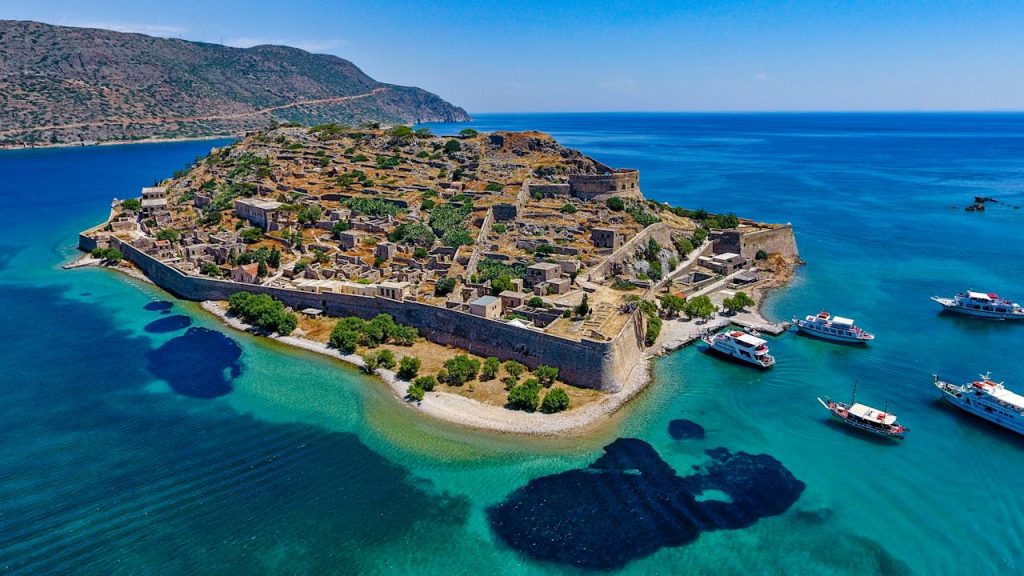
Crete is a hidden gem for short-term digital nomads looking for a perfect blend of work and play. This beautiful Greek island offers everything you need for a productive stay and a memorable experience. With its stunning landscapes, affordable living, and friendly locals, Crete makes working remotely feel like a vacation. Whether you are searching for vibrant local culture, scenic spots to unwind, or reliable internet to keep you connected, Crete has it all. Let’s explore why this island paradise could be your next ideal destination.

Stunning Natural Beauty and Outdoor Adventures

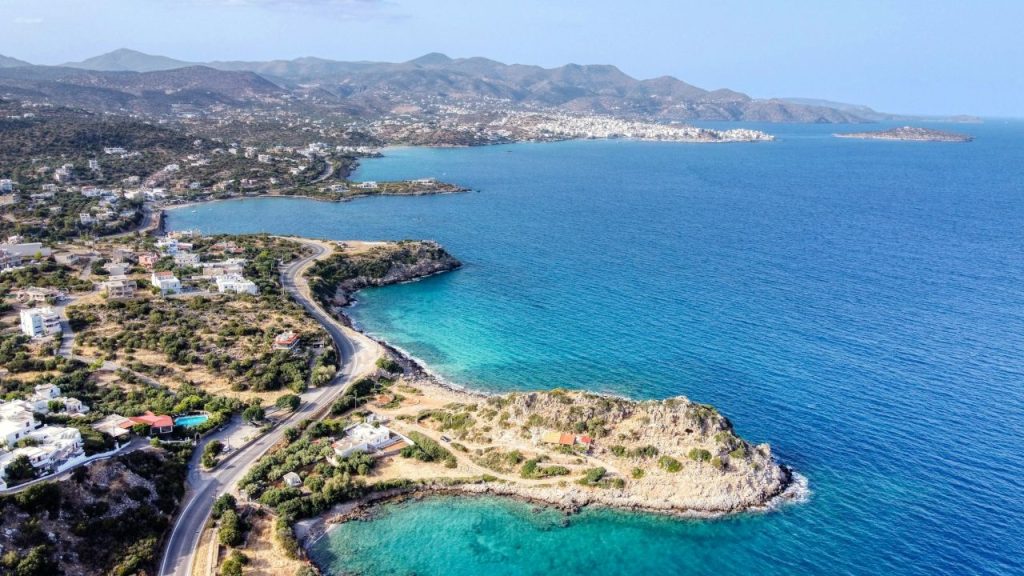
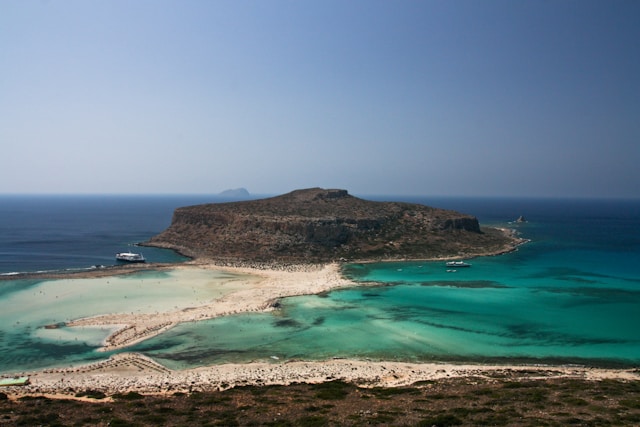
Crete’s natural beauty is nothing short of breathtaking, making it a haven for short-term digital nomads and first-time travelers seeking adventure. The island boasts some of the most stunning beaches in Greece, with soft sands and crystal-clear waters perfect for a midday break. If you’re into hiking, Crete offers spectacular trails through rugged mountains and lush valleys. Explore the Samaria Gorge or the White Mountains for unforgettable views. Water sports enthusiasts will find plenty of options, too, from kayaking to windsurfing. With so many outdoor activities at your doorstep, you’ll never run out of ways to enjoy your downtime.

Affordable Cost of Living

Crete’s affordability makes it an excellent choice for short-term digital nomads looking to manage their budget wisely. The cost of living here is significantly lower than many other popular destinations. You’ll find various accommodation options, from budget-friendly rentals to charming villas at reasonable prices. Dining out is also economical, with local tavernas serving delicious meals at modest costs. Additionally, entertainment and leisure activities are affordable, whether enjoying a local coffee or exploring the island’s nightlife. This cost-effectiveness means you can fully enjoy Crete’s offerings without stretching your finances.

Smart Storage Solutions for the Modern Digital Nomad

As a short-term digital nomad, storing items back home while exploring the beautiful landscapes of Crete can present challenges. This is especially true if you’re coming from a very faraway place like Hong Kong. Managing your belongings can be tricky in such situations. Utilizing short-term storage options can be a smart solution, allowing you to securely store your possessions while you focus on work and adventure in Greece. With reliable storage solutions in place, you can fully enjoy your time on the island, knowing your belongings are safe while you embrace the nomadic lifestyle.

Reliable Internet and Work-Friendly Spaces

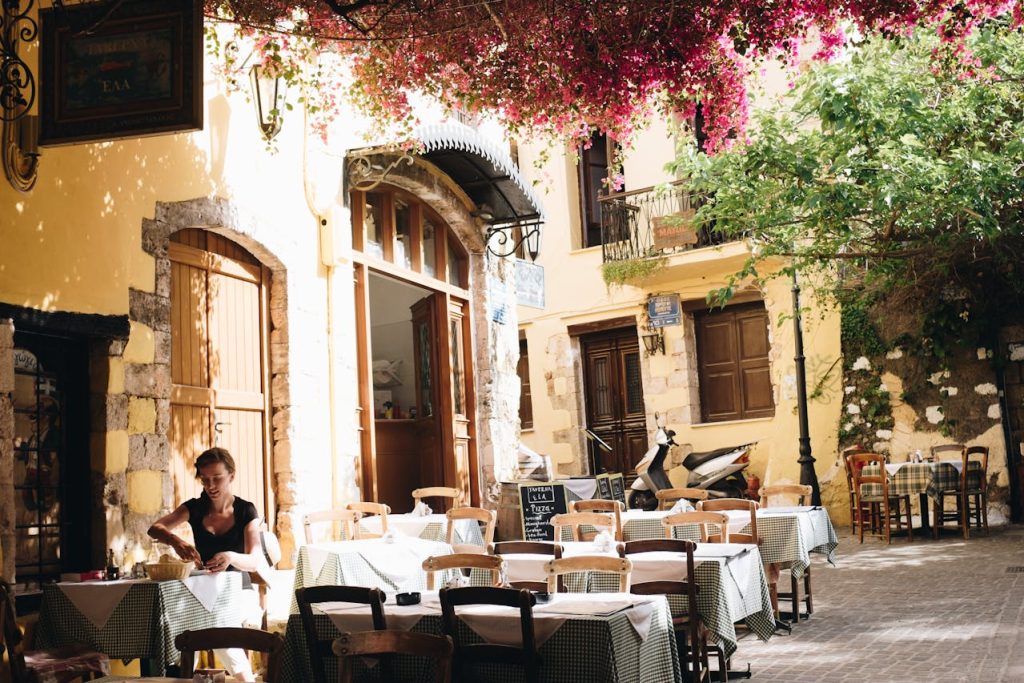
Crete excels in providing the reliable internet and work-friendly spaces that short-term digital nomads need. The island offers high-speed internet access in most areas, ensuring you stay connected without hassle. Numerous co-working spaces cater to remote workers, featuring fast Wi-Fi, comfortable desks, and quiet settings perfect for productivity. Additionally, many local cafés and restaurants provide free Wi-Fi, allowing you to work from a relaxed spot while enjoying a coffee or meal. With such a range of options, you can easily create a productive workspace that suits your style.

Rich Cultural Experiences and Local Charm

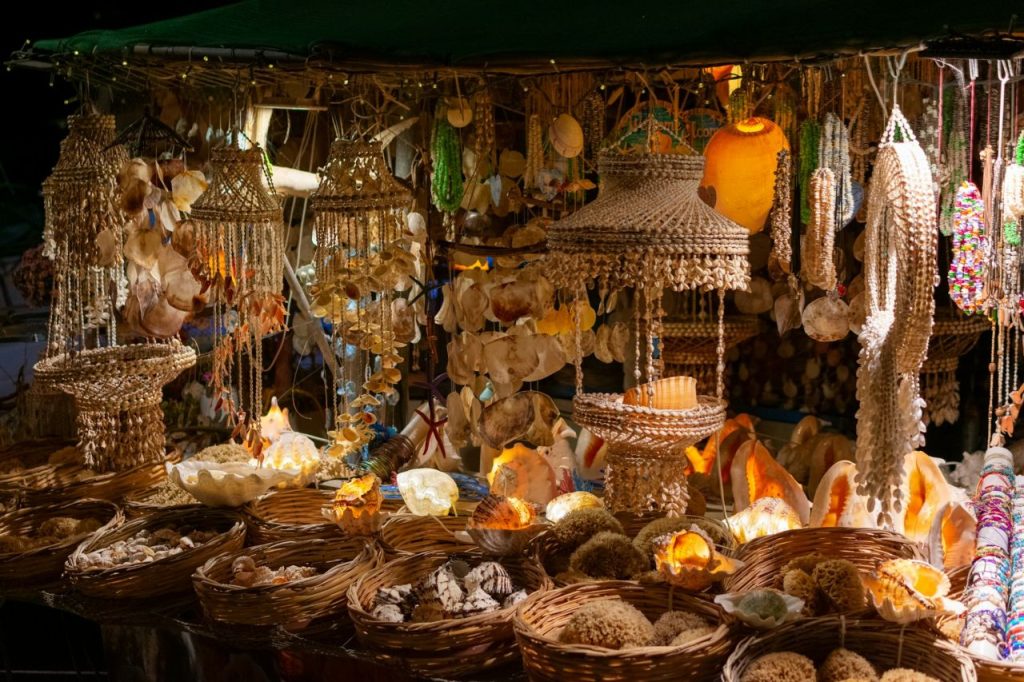
Crete is brimming with cultural experiences and local charm, making it an appealing choice for short-term digital nomads. The island offers a wealth of historical sites, including ancient ruins and medieval castles, providing a fascinating glimpse into Greece’s rich past. Vibrant local markets showcase authentic Cretan life with fresh produce, handmade crafts, and unique local products. The island’s cultural festivals and events highlight traditional music, dance, and cuisine, offering immersive experiences throughout your stay. Additionally, Crete’s renowned cuisine, with dishes like moussaka, souvlaki, and baklava, can be enjoyed at local tavernas, making it a paradise that foodies will truly appreciate and savor.

Friendly and Welcoming Community

Crete is known for its friendly and welcoming community, making it an inviting destination for short-term digital nomads. The locals are renowned for their hospitality, often going out of their way to make visitors feel at home. This warm atmosphere extends to expat and digital nomad communities, where you’ll find opportunities to network and make new friends. Various meetups, events, and social gatherings are organized, helping you connect with others with similar interests and experiences. Whether you’re looking for a friendly chat with locals or seeking connections with fellow nomads, Crete offers a supportive and engaging environment.

Easy Accessibility and Convenient Travel

Crete’s accessibility and convenient travel options make it a practical choice for short-term digital nomads. The island is well-connected with direct flights from major cities across Europe, making travel to and from Crete straightforward. Once on the island, getting around is easy with various transportation options, including rental cars, buses, and taxis. Crete’s well-maintained roads and public transport systems ensure that exploring the island is hassle-free. Additionally, Crete’s proximity to other Greek islands and mainland Europe allows for convenient day trips or extended travel, enhancing your overall experience.

Safe and Comfortable Environment

Crete offers a safe and comfortable environment, making it an ideal choice for short-term digital nomads. The island boasts low crime rates and a welcoming atmosphere, providing a sense of security as you work and explore. Health and safety are well-managed, with accessible and reliable medical services available if needed. You’ll find a variety of accommodations, from modern apartments to charming guesthouses, all equipped with the amenities necessary for a comfortable stay. Whether wandering through bustling towns or relaxing in quieter areas, Crete’s secure and inviting environment ensures a pleasant and stress-free experience.

Smooth Stay Tips for Short-Term Digital Nomads

To make the most of your stay in Crete, here are some practical tips for short-term digital nomads:

  • Choose your location wisely: Opt for a base that offers easy access to both workspaces and local amenities.
  • Get a local SIM card: A local SIM card can provide better data rates and reliable connectivity.
  • Learn basic Greek phrases: Knowing a few words can help you interact more easily with locals and navigate daily tasks.
  • Explore different neighborhoods: Each area of Crete has its own unique charm, so take time to explore and find your favorite spots.
  • Stay hydrated and sun-safe: The Mediterranean climate can be hot, so drink plenty of water and sunscreen.

By following these tips, you’ll be better prepared to enjoy all that Crete has to offer while working remotely. Embrace the island’s lifestyle and make the most of your time in this beautiful destination.

Why Crete Should Be Your Next Digital Nomad Destination

Crete stands out as an excellent destination for short-term digital nomads, blending work and leisure effortlessly. With its stunning natural beauty, affordable cost of living, reliable internet, and rich cultural experiences, the island offers everything you need for a productive and enjoyable stay. The friendly community and convenient travel options further enhance its appeal, while the safe and comfortable environment ensures a stress-free experience. Whether working remotely or exploring the island, Crete provides a perfect backdrop for balancing work and relaxation. Embrace all that this captivating island has to offer, and you’ll find yourself inspired and content during your stay.

Photos used:

https://www.pexels.com/photo/white-yacht-near-island-under-blue-sky-858112
https://www.pexels.com/photo/woman-wearing-black-scoop-neck-cap-sleeved-blouse-eating-on-cafeteria-with-white-table-arrangements-984888
https://unsplash.com/photos/a-display-of-baskets-and-other-items-for-sale-lRh-bb_yyuY
https://unsplash.com/photos/aerial-view-of-green-trees-and-blue-sea-during-daytime-QEvLb4VEBc0

Packing for a vacation can often seem like a big job. Wanting to bring everything but the kitchen sink can make you pack too much and end up with more bags than you can carry. Packing well is a skill that can help you save time, money, and trouble.

This article will give you easy tips and tricks to help you pack lightly and wisely, so you can have a stress-free trip.

Planning is Key: Laying the Foundation for Efficient Packing

Before you start packing your suitcase, spend some time planning your trip. This important step will greatly improve how well you pack.

  • Check the weather report for the place you are going. Knowing what will happen will help you bring the right clothes. For example, if you’re going to the bali beaches, you’ll need swimsuits, something to wear over them, and light, breathable garments.
  • Think about the things you want to do. If you’re going hiking, you’ll need strong shoes and outdoor equipment. For a short trip to the city, you might want to pack comfy shoes and nice clothes.
  • How long your trip is will decide how many clothes you need. A weekend trip needs fewer clothes than a two-week holiday.
  • Baggage Rules: Look at how much luggage your airline allows. This information will help you know how big and heavy your bags are.

Packing Made Easy: Helpful Tips and Tricks

Now that you know what to pack, it’s time to get ready and organize everything.

  • Pick the Right Suitcase: Choose a light, strong suitcase with wheels. Think about using packing cubes to save space and keep your things organized.
  • Learn to Roll Your Clothes: Rolling your clothes instead of folding them saves space and helps keep them from wrinkling.
  • Make a Capsule Wardrobe: Pick clothing that can be easily combined to make different outfits. Neutrals are a good place to begin.
  • Pack only what you need and save space for souvenirs. Don’t forget, you can always buy things you need when you get there.
  • Mini Toiletries: Use small travel-sized toiletries or put your favorite products into smaller bottles to save space.
  • Dress in layers: Bring clothes that you can put on or take off easily based on the weather.
  • Shoe Tip: Bring only a few pairs of shoes. Pick styles that can be worn in different ways with many outfits.
  • Tech Basics: Take just the needed devices and chargers. Think about using cloud storage to cut down on paper documents.
  • Weigh Your Bags: Get a luggage scale so you don’t pay extra fees for overweight bags.

Packing for Special Events: Tailored Tips

Most trips can be packed in a certain way, but some special trips need you to think about different things.

  • Beach Trip: Bring light, fast-drying clothes, swimsuits, sunscreen, hats, and sunglasses. Don’t forget to bring a reusable water bottle and a good book to enjoy.
  • City Trip: Choose comfy shoes, clothes you can wear in different ways, a nice bag, and important gadgets. Think about bringing a scarf or a light jacket for the changing weather.
  • Adventure Trip: Focus on practical and strong clothes, good shoes, and important equipment for the activities you plan to do. Remember to bring a first-aid kit and any required permission slips.

Extra Tips for Easy Travel

Make a Packing List: Write down everything you need to pack so you don’t forget anything important.

  • Pack Early: Start getting your things ready a few days before your trip so you don’t have to rush and forget important stuff.
  • Carry-On Must-Haves: Put important things like your passport, medicine, and electronics in your carry-on bag.
  • Foldable Bags: Take a foldable bag for your dirty clothes or souvenirs.

By using these tips and adjusting how you pack for your trip, you can pack well and have a relaxing vacation. To pack successfully, make sure to plan ahead, stay organized, and focus on what you really need. Have a good trip.

Greek islands have long been a magnet for those seeking a respite from the daily grind and attract many tourists from busy cities like New York to seek relaxation. From the serene beaches of Crete to the sunset views of Santorini, these islands offer more than just stunning scenery—they are a haven for wellness. When planning your next getaway, consider the Greek islands for wellness retreats and relaxation. If you’re not sure where to start, consulting travel experts for Greece can give you tailored advice to match the retreat to your needs.

The Concept of Wellness in Greek Culture

In Greece, wellness intertwines with the daily rhythms of life. The Greek philosophy of “ef Zin” (living well) emphasizes a balance between physical and mental health, nurtured by a diet rich in olive oil, seafood, and fresh vegetables. This philosophy is visible in the laid-back lifestyle of the islands, where stress seems to wash away with the waves. On islands like Ikaria, known for its high number of centenarians, the lifestyle encourages natural activity and a diet that many researchers praise for its health benefits.

Top Greek Islands for Wellness Retreats

Greece has around 6,000 islands, but not all are suitable for people who want to relax. Here is a list of our top Greek islands for wellness retreats and relaxation.

Crete

As the largest of the Greek islands, Crete offers a diverse array of wellness retreats that cater to every need. The island’s varied landscape of beaches, mountains, and fertile plains makes it ideal for physical and mental rejuvenation. At the Asclepios Wellness Retreat, you can immerse yourself in a program that blends yoga with nutritional workshops focused on the Mediterranean diet using local, organic produce. Another notable retreat, Elysium Spa Resort in the lush region of Rethymno, provides tailored wellness programs that include mindfulness meditation and therapeutic hiking.

Santorini

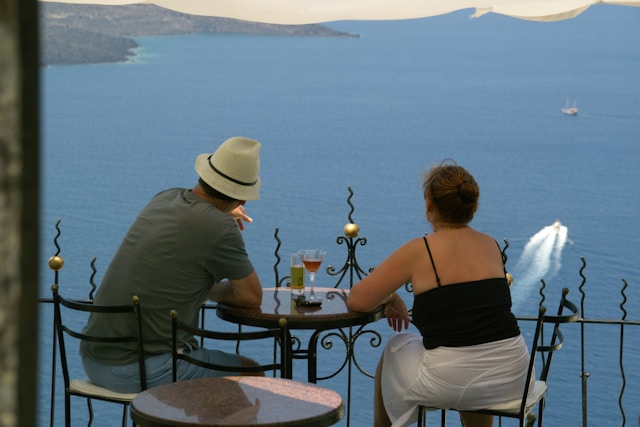
Known for its breathtaking views, Santorini also champions wellness with its unique offerings. The Helios Spa capitalizes on the island’s volcanic hot springs, offering hydrotherapy sessions that are complemented by holistic spa treatments. After a therapeutic soak, guests can enjoy massages at cliffside setups that offer stunning caldera views. Another gem is Caldera Retreats, where each wellness program is designed to harness the island’s serene environment, promoting deep relaxation and healing. Many people dream of traveling to Santorini, so enjoy it to the fullest! 

Mykonos

While Mykonos is famous for its social scene, it also houses luxury wellness centers where peace and tranquility are the order of the day. Zenith Spa offers a comprehensive detox program, integrating spa treatments, detoxifying meals, and wellness coaching in a luxurious setting. 

Corfu

This lush, green island is perfect for those looking to unwind in a verdant setting. At Emerald Wellness Resort, guests can participate in wellness programs that include water therapy in natural springs and mindfulness sessions in olive groves. The Ionian Calm Spa in Corfu offers retreats that focus on mental clarity and relaxation.

Naxos

As the largest of the Cyclades, Naxos offers stunning mountainous landscapes and pristine beaches. Naxos Zen Center provides a serene setting where guests can join yoga retreats. The Island Bliss Spa on Naxos specializes in stress relief programs featuring aromatherapy sessions and energy healing workshops.

Choosing the Right Island for Your Needs

Selecting the perfect island for your wellness retreat involves considering several factors. Here are a few tips to help you decide:

  • What type of retreat are you looking for? Some islands offer silent meditation retreats, while others might focus on fitness and active lifestyles. If you want to experience history and be part of an Athens city tour, choose one that is closer to the mainland.
  • Are you seeking solitude or a community? Islands like Mykonos are very popular with those escaping the Big Apple in the summer but still want a social atmosphere, whereas places like Patmos are quieter.
  • Consider the season—The high season can be crowded and more expensive, so if you’re looking for peace, opt for shoulder seasons.

Accommodations and Staying Connected with Nature

Staying on the Greek islands, you have numerous eco-friendly resorts that blend luxury with nature. For instance:

  • On Crete, some resorts use solar energy and offer organic local produce in their meals. Olive Green Hotel is a great example. 
  • In Rhodes, you can find hotels that provide natural spa treatments with locally sourced ingredients. Consider checking out Sunrise Spa to experience these natural treatments. 

These accommodations ensure comfort and help you maintain a connection with the natural world around you. Also, considering cruises as a way to experience multiple islands can enhance your understanding of the region’s diverse offerings without needing to repack your bags.

How to Plan Your Wellness Retreat?

To plan a stress-free wellness vacation, start by defining your wellness goals. Whether it’s stress relief, fitness, or spiritual growth, knowing what you want out of the retreat will guide your choices. Here’s a simple checklist to get you started:

  • Research various Greek islands for wellness retreats and relaxation to match your desired type of retreat.
  • Book accommodations that align with your sustainability values.
  • Check for off-season travel options to avoid crowds and get better deals.
  • Consider a package that includes activities and meals for ease of planning.

Use This Experience to Change Your Life

After returning from a transformative wellness retreat in Greece, you may wish to recreate that sense of calm and simplicity in your own home. Decluttering and redesigning your space to mirror the serenity you experienced can significantly enhance your daily well-being. Whether moving out old furniture or bringing in new pieces that evoke a sense of peace, Best Movers NYC can assist those in New York City. This moving database helps you find the most reliable registered movers with licenses and reviews in NYC to manage the heavy lifting. Doing so allows you to focus on maintaining your newfound tranquility and infusing it into every corner of your living space.

Which One of These Greek Islands for Wellness Retreats and Relaxation Will You Visit First?

Ultimately, the Greek islands offer a spectacular backdrop for anyone looking to recharge. Whether you choose the thermal springs of Santorini or the holistic retreats of Crete, each island has something unique. Remember, the best Greek islands for wellness retreats and relaxation are not just about the places but how you use this experience to enhance your future life.

Images used:

https://unsplash.com/photos/woman-wearing-bikini-in-yoga-position-facing-sea-fGUmhLROnPc
https://unsplash.com/photos/back-view-of-man-and-woman-sitting-in-front-of-terrace-with-sea-view-0BxvQW6KJPA
https://unsplash.com/photos/overlooking-view-of-island-surrounded-by-water-_cgpwVgZw7s
https://unsplash.com/photos/assorted-color-apparels-oa7pqZmmhuA

Welcome to a flavorful journey exploring the intricate relationship between Greek and Turkish cuisines. Nestled at the crossroads of Europe and Asia, Greece and Turkey share more than just geographical proximity. They boast a rich, intertwined culinary history shaped by centuries of cultural exchange. From the bustling markets of Istanbul to the sun-drenched islands of Greece, we’ll uncover the shared ingredients, cooking techniques, and dishes that define and distinguish these two cuisines.

Historical Ties and Culinary Exchanges

The historical ties between Greek and Turkish cuisines are as rich as they are complex, rooted deeply in the past. During the expansive era of the Ottoman Empire, culinary practices flowed seamlessly across what is now modern-day Greece and Turkey, facilitating a significant exchange of ingredients and cooking techniques. This period saw the birth of numerous dishes that are today staples in both cultures, albeit with distinct regional twists.

Trade and migration played crucial roles in this culinary intermingling. For instance, spices from the East found their way into Greek kitchens, while Turkish cuisine adopted Greek olives and cheese. These historical exchanges have left a lasting imprint, creating a shared culinary heritage that continues to evolve and inspire.

Greek Salad

Common Ingredients, Diverse Flavors

Though separated by a narrow sea, the kitchens of Greece and Turkey are united by a plethora of common ingredients, each manipulated to produce diverse and distinct flavors.

Olive oil, a liquid gold in both cuisines, is used in varying quantities and for different purposes – from Greek salads to Turkish stews. Similarly, lamb is central to both culinary traditions. It is often roasted in Greek dishes, while in Turkish cuisine, it’s more commonly ground for kebabs. Yogurt, another staple, varies from the thick, creamy Greek variety to the thinner, tangier Turkish version, each serving unique roles in their respective food cultures.

For every passionate foodie, exploring these ingredients in Greek and Turkish dishes reveals a fascinating juxtaposition of similarity in base yet diversity in expression. As a result, it offers a glimpse into the subtle artistry that defines these rich cuisines.

A Tale of Two Mezes: Similarities and Differences

Meze, the delightful array of appetizers that grace tables in Greece and Turkey, offers a fascinating study of culinary similarities and differences. In Greece, mezes often include olives, feta cheese, and tzatziki, served alongside fresh bread or pita. While echoing these elements, Turkish mezes might also feature more spiced and aromatic dishes like ezme and stuffed grape leaves.

Both cuisines use meze to complement main dishes, but there’s a subtle art in their presentation and consumption. Greek meze tends to lean towards fresh, lighter flavors, reflecting the Mediterranean ethos. On the other hand, Turkish meze often incorporates more complex spices, showcasing the influence of the broader Middle Eastern palate. Either way, meze is a perfect starter for exploring the rich culinary landscapes of Greece and Turkey.

Street Food: A Delicious Intersection

Street food is a vibrant and essential part of both Greek and Turkish cultures. It is where flavors mingle and culinary traditions meet. The gyro, a pita bread wrapped around grilled meat, often pork or chicken, topped with sauces and fresh vegetables, reigns supreme in Greece. This dish epitomizes a budget-friendly Greek adventure, offering a hearty and flavorful meal on the go.

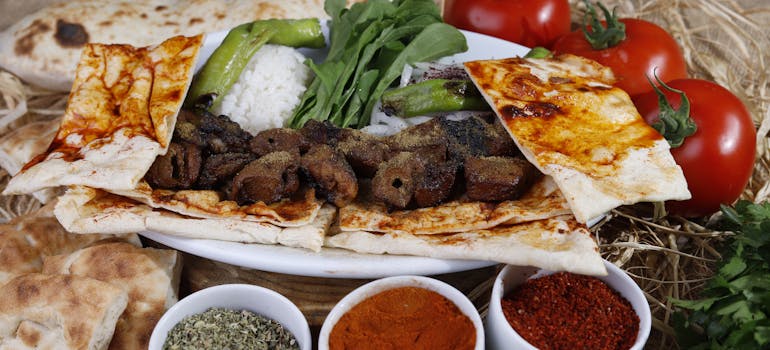
Across the Aegean, in Turkey, the kebab takes a similar form but with distinct variations – skewered and grilled lamb or beef, often served with rice or in a wrap. Both these street food staples reflect the everyday life and preferences of the locals, embodying the essence of quick, satisfying meals. While they differ in ingredients and preparation, gyros and kebabs symbolize the shared love for food that is both accessible and deeply rooted in the culinary history of Greece and Turkey.

Modern Fusion: Greek and Turkish Cuisines in Today’s World

In today’s globalized world, Greek and Turkish cuisines are experiencing an exciting phase of modern fusion as contemporary chefs blend traditional flavors with new influences. Restaurants across the globe now serve dishes that marry Greek freshness with Turkish richness, transcending geographical boundaries.

This culinary fusion is further enhanced by international moves and the melting pot of globalization. For instance, someone moving from Virginia to Greece might bring with them a palate accustomed to American flavors, potentially infusing Greek and Turkish dishes with a unique twist. This could mean experimenting with bolder spices in a traditional moussaka or introducing a smoky flavor to kebabs.

Of course, if you’re planning to make Greece your home and move all the way from Virginia, make sure to reach out to international movers. But it’s not just your belongings that make the journey. You also bring the potential to contribute to and enrich the culinary landscape of your new home. By weaving in your own experiences and tastes, you become a culinary adventurer, adding your unique flavor to the rich tapestry of Greek and Turkish cuisines.

Sweet Endings: Shared Dessert Traditions

If you think there’s something we haven’t mentioned yet, you’re right. We’ve left the best (and sweetest) for last! Greek and Turkish cuisines converge in a sweet symphony of shared traditions, each with its unique twist. Take baklava, for instance: this flaky, nut-filled pastry, drenched in syrup, is a staple in both cultures. However, the Greek version often uses honey and walnuts, while the Turkish variety might feature pistachios and a lighter syrup.

This divergence extends to other desserts as well. Greek cuisine boasts desserts like galaktoboureko, a creamy, custard-filled phyllo pie. In contrast, Turkish delights like künefe, a cheese-based dessert with shredded kadayif, offer a different but equally compelling experience. Spices like cinnamon and clove also vary, adding distinct aromatic touches. So, whether traveling solo or with friends, don’t miss out on indulging in these delightful desserts. That way, you’ll get a true taste of Greek and Turkish culinary heritage.

Savor the Shared Flavors!

The deep connection between Greek and Turkish cuisines showcases a remarkable culinary interplay. Understanding and appreciating the cultural context behind these dishes enhances our dining experience. As we explore and enjoy the rich flavors of Greek and Turkish dishes, we are reminded of the power of food to transcend boundaries. It brings together different cultures and histories in a harmonious blend of taste and tradition.

Photos used:

https://www.pexels.com/photo/clear-blue-sea-164041
https://www.pexels.com/photo/sweet-desserts-1473060
https://www.pexels.com/photo/close-up-of-greek-dolmades-dish-7167830
https://www.pexels.com/photo/view-of-a-kebab-dish-on-a-plate-with-raw-ingredients-and-spices-lying-around-15390671

Embarking on the quest for a vacation home in the Greek Islands, one is drawn to the beautiful natural wonders of Greece. This dream beckons with promises of relaxation and adventure. Owning such a property is not just an investment; it’s a gateway to a lifestyle surrounded by the azure seas and rich culture. However, it’s essential to consider several key factors before making this significant purchase. These factors ensure that your island retreat perfectly aligns with your aspirations and needs.

Why Choose to Buy a Vacation Home in the Greek Islands?

The Greek Islands offer a compelling mix of stunning landscapes, warm climate, and rich cultural heritage, making them an ideal location for a vacation home. Each island presents its unique charm, from the crystal-clear waters to the historic ruins and lively cultural festivals. This diversity ensures that every visitor finds their slice of paradise. Additionally, owning a vacation home in the Greek Islands isn’t just about having a personal retreat; it’s a wise investment. The islands have a stable tourism market, which means your property has the potential for rental income when you’re not using it. The quality of life in the Greek Islands, marked by relaxed living, fresh cuisine, and friendly locals, makes it an attractive destination for people of all ages looking for a serene escape or a vibrant community.

Selecting the Perfect Island

When choosing the perfect Greek Island for your vacation home, popular choices include Crete, Mykonos, and Santorini. Each island offers unique experiences and lifestyles. Crete is known for its diverse landscapes and rich history, Mykonos for its lively nightlife and luxurious amenities, and Santorini for its breathtaking views and romantic atmosphere. While considering things to do in Santorini, one can look forward to stunning sunsets, exquisite wineries, and iconic blue-domed churches. Your choice should align with your personal preferences and lifestyle needs. Consider factors like accessibility, local amenities, and the type of community you want to be part of. This will ensure your vacation home provides a beautiful setting and enriches your life.

Understanding the Real Estate Market in Greece

Navigating Greece’s real estate market reveals diverse pricing, particularly in sought-after areas like Santorini and Mykonos, where vacation homes start around €300,000, soaring millions for luxury estates. More affordable options exist on less touristy islands such as Naxos or Paros, with properties beginning near €100,000. Prospective buyers should account for additional costs like property taxes (0.1% to 1.5% of property value annually), legal fees (1% to 2% of purchase price), and agent fees (2% to 5%). These figures highlight the importance of thorough research or consulting local experts for precise, up-to-date information suited to individual financial scenarios.

The Legal Aspects of Buying Property in Greece

Purchasing property in Greece involves navigating specific legal requirements, especially for foreign buyers. Key steps include obtaining a Greek tax number, opening a local bank account, and ensuring all necessary documentation is in order. Legal processes in Greece can be complex, so working with a reputable lawyer specializing in Greek property law is advisable. They can guide you through the process, from checking property titles to ensuring compliance with local regulations. Understanding these legal aspects beforehand can make the property-buying process more straightforward and secure.

Financing Your Greek Island Vacation Home

Financing a vacation home in the Greek Islands can be approached through various options, including mortgages and loans. Understanding the financial implications, such as interest rates and repayment terms, is important, especially for international transactions. Managing currency exchange is another important aspect, as exchange rate fluctuations can impact your property’s total cost. Seek advice from financial experts who are familiar with cross-border property purchases. They can provide insights into the best financing strategies and help you navigate international banking procedures, ensuring a smooth financial relocation to owning your dream vacation home in Greece.

Building and Renovation Considerations

When deciding between building a new home or renovating the Greek Islands, consider local regulations and sustainable practices. Each island has its building codes, often strict to preserve historical and environmental integrity. For renovations, traditional Greek homes may require special attention to maintain their character. New constructions offer the chance to incorporate modern, eco-friendly technologies, aligning with Greece’s increasing focus on sustainability. Collaborating with local architects and builders who understand these nuances is vital.

The Role of International Movers in Your Relocation

Choosing the right international movers is vital.Professional movers simplify the daunting task of transporting your belongings across continents. They offer expertise in logistics, customs regulations, and safe packing methods. When selecting a moving company, consider:

  • Reliability: Look for movers with a strong track record of timely and secure deliveries.
  • Experience: Choose companies experienced in international relocations, especially between the USA and Europe.
  • Cost: Compare quotes to find a service that offers value without compromising quality.
  • Customer Service: Good communication and support are essential for a stress-free move.

These factors ensure an easy relocation to your new home in the Greek Islands.

Living in Greece: Culture and Lifestyle Adjustments

Adapting to life in Greece involves embracing its rich culture and unique lifestyle. The Greek way of life is characterized by a strong sense of community, a relaxed pace, and an emphasis on enjoying life’s pleasures. Newcomers often find joy in the local festivals, traditional music, and family-centered social structure. Adapting to local customs, like the late-night dinners and the siesta-like break in the afternoon, enriches the living experience. This adjustment also means learning some Greek phrases, which goes a long way in connecting with locals and showing respect for their culture.

Making the Most of Your Greek Island Home

Once settled in your Greek island home, integrate into the local community to fully enjoy your new environment. Participate in local events, join clubs or groups that interest you, and shop at local markets to connect with neighbors. Exploring the island’s natural wonders, from pristine beaches to rugged mountains, adds to the living experience. For those seeking lively evenings, islands like Mykonos and Ios are among the best Greek islands for nightlife, offering a joyful scene of bars and clubs. Adopting the local culture and community allows you to experience the Greek Islands as a homeowner and an integral part of their rich tapestry.

Final Words

Acquiring a vacation home in the Greek Islands presents a unique opportunity to embrace a lifestyle enriched with cultural heritage, stunning landscapes, and a welcoming community. This guide has navigated through essential considerations, from selecting the ideal island to understanding legal and financial intricacies. Now, equipped with these insights, you’re ready to take confident steps towards realizing your dream of owning a beautiful retreat in the Greek Islands.

https://www.pexels.com/photo/greek-christian-shrine-at-the-sea-15857208
https://www.pexels.com/photo/santorini-16935071
https://www.pexels.com/photo/vegetable-salad-on-white-ceramic-plate-beside-grey-stainless-steel-fork-1152237
https://www.pexels.com/photo/multiethnic-couple-packing-ceramic-belongings-in-parchment-before-relocation-4246193

Greece, a land where history whispers from ancient ruins and the Mediterranean sun casts a year-long spell, is often celebrated for its summer allure. However, the true connoisseur of travel knows that Greece’s charm is not confined to any single season. Every corner of this fascinating country reveals a different facet with the change of seasons, making exploring Greece in winter a uniquely enchanting experience. In crafting this guide, we’ve gathered insights from travel experts for Greece, ensuring we capture the essence of what this spectacular country offers during the cooler months. From the quiet beauty of snow-draped ruins to the lively winter festivals, this guide will unwrap the hidden pleasures of Greek winters, leading you through experiences distinct from the summer crowds and the heat.

How To Make The Most of Your Greece Winter Holiday?

Preparing for a winter holiday in Greece, especially when journeying from distant locations like the US, demands careful planning to ensure a smooth and enjoyable experience. Researching and understanding the unique aspects of exploring Greece in winter is vital. That includes checking travel advisories, understanding local customs, and being aware of the weather patterns during the winter months.

For peace of mind regarding your home and belongings while you’re away, consider the guidance of U. Santini Moving and Storage, who propose securing valuable items in storage facilities. This step safeguards your possessions and allows you to travel without worries. Thorough preparation is key to making the most of your Greek winter adventure! Let’s see what’s waiting for you in Greece this winter.

Exploring the Ancient Charm of Athens in Winter

Parthenon on the Acropolis Athens Greece

Athens, a timeless beacon of history and culture, offers a unique charm in winter. This season allows for a more relaxed exploration of its famed historical sites, like the Acropolis and Parthenon. It’s a perfect time to avoid the overwhelming crowds of summer.

The cooler weather makes strolling through Athens’ historic neighborhoods like Plaka and Monastiraki a pleasant experience. Here, one can discover hidden gems in small boutiques, enjoy local delicacies in traditional tavernas, or simply soak in the ambiance of this ancient city.

Winter also brings a calendar full of cultural events – from music concerts to art exhibitions, offering a glimpse into the vibrant contemporary culture of Athens. The city’s museums, including the National Archaeological Museum and the Acropolis Museum, provide a deeper understanding of Greek history and art.

Thessaloniki: A Cultural Retreat in Winter

Thessaloniki_Greece_Alexander_The_Great

Thessaloniki shines brightly in the winter months. The city’s Byzantine walls and Turkish baths tell stories of its diverse past, best explored in the cool, uncrowded winter. The White Tower, standing guard over the city’s seafront, is a must-visit for its panoramic views and historical significance.

Winter is the perfect time to indulge in Thessaloniki’s culinary scene. It’s absolutely delicious and renowned for its fusion of Mediterranean and Balkan flavors. Traditional tavernas offer heartwarming dishes like moussaka and pastitsio, ideal for chilly days.

The city’s lively arts scene is also more accessible in winter, with theaters, galleries, and concert halls hosting various events. The celebrated Thessaloniki Film Festival, usually held in late fall, often extends its influence into the winter, showcasing Greek and international cinema.

Greek Islands: Serene Winter Escapes

The Greek islands, a summer paradise, transform into tranquil havens in winter. Islands such as Crete, Rhodes, and Corfu maintain their beauty with the added benefit of peace. The mild winter weather is ideal for leisurely explorations of ancient ruins, Venetian fortresses, and Byzantine monasteries.

In Crete, the Palace of Knossos and the old town of Chania are particularly enchanting without the crowds. Rhodes’ medieval city, a UNESCO World Heritage Site, is a quiet maze of cobbled streets and knights’ castles. With its blend of Venetian, French, and British architecture, Corfu’s old town offers a different vibe in the winter, more reflective and subdued. The islands’ local cuisine, flavored with olive oil, herbs, and fresh seafood, tastes even more authentic in the small, family-run tavernas during the off-season.

Exploring Greece in Winter: Mountain Adventures

Papigo-Epirus-Greece-Panoramic-View

Greece’s mountains, often overshadowed by its famous islands, emerge as a stunning winter destination offering both adventure and an opportunity to make your trip to Greece budget-friendly. With its enchanting Zagori villages, the Pindus range is a hidden gem for those seeking a serene escape into nature. Here, accommodations and activities are more affordable than popular tourist spots, allowing for a budget-friendly yet rich experience.

Ski enthusiasts will delight in resorts like Arachova, nestled near the mystical Delphi, where skiing is paired with exploring ancient Greek lore. Mount Olympus, not just a mythological landmark but also a haven for winter sports, presents trails for all levels at reasonable prices.

On the other hand, picturesque villages like Metsovo and Pelion offer a glimpse into traditional Greek life. They’re waiting with cozy tavernas serving hearty meals that warm you up without stretching your budget. These mountainous regions are also culinary delights, where local, inexpensive cuisine like hearty stews and homemade cheeses add authentic flavor to your winter adventure in Greece.

Exploring Greece’s Natural Wonders in Winter

Winter in Greece unveils a serene side to some of the most beautiful natural wonders of Greece, each offering a unique and majestic experience:

  • Vikos Gorge. This awe-inspiring canyon, one of the deepest in the world, is a spectacle in winter with its snow-draped cliffs and frozen river streams, creating a serene hiking paradise.
  • Meteora. The ancient monasteries atop towering rock formations take on a mystical aura in winter, offering a tranquil exploration with fewer tourists and a more reflective atmosphere.
  • Prespa and Kerkini Lakes. These lakes, a haven for diverse birdlife, are especially captivating in winter. Their icy waters and snowy banks provide a picturesque setting for bird-watching and peaceful walks.
  • Experiencing these natural wonders during winter adds a unique perspective to the Greek landscape, highlighting its varied and splendid beauty beyond the popular summer destinations.

Greece in Winter: A Season of Discovery

As our journey through the unique delights of exploring Greece in winter concludes, it’s clear that this country offers a wealth of experiences far beyond the well-trodden paths of summer tourists. Winter in Greece is a time of discovery, where the pace slows, and the land’s beauty and people shine through in a different yet equally captivating light. Whether through the historic streets of Athens, the serene islands, or the snow-capped mountains, Greece in winter is a journey worth taking.

Meta: Discover the magic of exploring Greece in winter with our guide, offering tips and must-see destinations for an unforgettable experience.

Photos used:

https://unsplash.com/photos/city-on-top-of-rock-formation-during-daytime-nmz5K3ZYrh8
https://www.pexels.com/photo/brown-concrete-tower-near-on-green-trees-955672/
https://unsplash.com/photos/two-person-riding-cable-car-bzJjHwdzBsA
https://unsplash.com/photos/a-large-iceberg-in-the-water-P1oQKMENh_Y

Often hailed for its ancient history and sun-kissed islands, this place is also home to some of the most spellbinding natural wonders of Greece. For those considering a journey here, a budget-friendly guide to Greece can illuminate cost-effective ways to immerse oneself in these landscapes. Located at the crossroads of Europe, Asia, and Africa, this nation offers an array of terrains that resonate deeply with every traveller. From turquoise waters kissing golden shores to majestic peaks reaching for the heavens, this country presents itself as a vibrant canvas, waiting to be explored by the adventurous and the curious alike.

Furthermore, the geographical diversity of Greece isn’t just limited to its famed beaches or islands. Venture inland and you’ll encounter dense forests, mystical caves, serene lakes, and even petrified forests. Every corner seems to whisper tales from a time long gone, blending the wonders of nature with the echoes of ancient myths.

Top 7 The Most Beautiful Natural Wonders of Greece

Greece holds a significant place in the grand spectrum of natural wonders worldwide. It’s not merely about the beauty it offers but the depth of experiences intertwined with history, culture, and legend. This fusion makes it a unique destination, inviting travellers to explore and feel its innate magic. For those setting foot on its lands for the first time, there are top spots in Greece for first-time travellers that perfectly encapsulate this enchanting blend, ensuring a memorable introduction to this ancient realm.

Zakynthos’ Navagio Beach: A Hidden Paradise

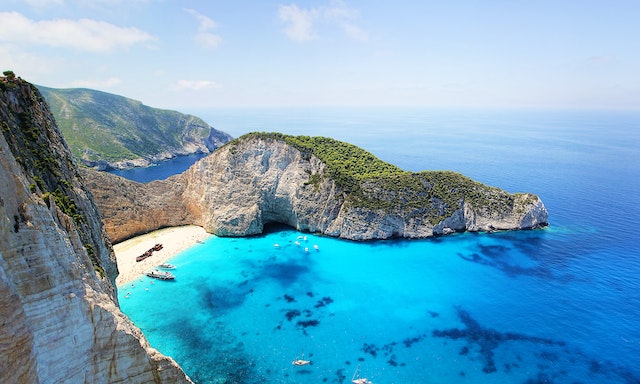
Zakynthos’ Navagio Beach, often called “Shipwreck Beach,” is a secluded gem epitomizing the word ‘paradise.’ Framed by towering limestone cliffs, its stunning azure waters playfully lap against fine white sands. That contrasts with the mesmerizing rusty shipwreck that rests ashore, narrating tales of a bygone era. For beach lovers, Navagio isn’t just a beach; it’s an experience, a spectacle that marries natural beauty with intrigue, making it an unmissable spot on any Grecian journey.

The Unique Caves of Melissani: An Underground Marvel

The Caves of Melissani unveil an underground realm of wonder, with the enchanting Melissani Lake shimmering like a jewel beneath the earth’s surface. These caves, formed over thousands of years, have captivated visitors with their mystical allure and the crystal-clear waters that change hues under the sunlight. Melissani’s hidden lake, steeped in ancient myths and geological phenomena, offers a journey through time, revealing nature’s artistry in carving such a breathtaking marvel.

Samariá Gorge: A Trekker’s Delight

Stretching over 16 kilometres, the Samariá Gorge is one of Europe’s longest canyons, beckoning trekkers with unparalleled beauty. A favourite among hiking enthusiasts, the trail weaves through ancient forests, revealing a rich tapestry of flora and fauna at every turn. As one ventures deeper, the gorge showcases its biodiversity, from endemic plants to rare bird species. Truly, Samariá Gorge is not just a trek but a delightful journey through nature’s diverse showcase. 

The Mystical Meteora Monasteries: Where Heaven Touches Earth

The Meteora Monasteries, perched precariously atop towering sandstone rock pillars, are a testament to humanity’s quest for spiritual elevation. These age-old sanctuaries seem almost suspended between heaven and earth, offering breathtaking panoramic views of the verdant valleys below and the expansive skies above. With every glimpse, they invoke a sense of wonder, showcasing not only the architectural feats of the past but also the timeless beauty of nature that envelops them in its embrace.

The Petrified Forest of Lesvos: Nature’s Time Capsule

The Petrified Forest of Lesvos is a mesmerizing testament to nature’s alchemy. Once-living trees have been transformed into intricate stone sculptures over millions of years, frozen in time by volcanic activity. Beyond its captivating beauty, this forest holds immense significance for scientific research. It offers rare insights into Earth’s ancient climatic conditions and the evolutionary journey of plant life. Indeed, this natural wonder serves as a captivating time capsule, narrating tales from our planet’s distant past.

Mount Olympus: Home of the Gods

Mount Olympus is rising majestically as Greece’s highest peak. It is deeply rooted in mythological lore as the dwelling place of the gods. Beyond its legendary status, the mountain captivates with its diverse ecosystem, housing many plant and animal species. This natural bastion offers adventurers challenging terrains, cascading waterfalls, and dense forests, ensuring a trek filled with wonder. In every step, hikers are reminded not just of its mythic past but of the raw, untamed beauty it beholds.

Santorini’s Volcanic Caldera: Beauty Born from Eruption

Santorini’s iconic volcanic caldera, birthed from powerful eruptions, is a testament to nature’s transformative power. Now filled with azure waters, this massive basin creates a dramatic backdrop against the island’s whitewashed buildings. Today, its allure extends beyond its geological marvel, drawing in travellers seeking a fusion of natural splendour and luxury. Plush resorts offer unparalleled views overlooking the caldera, ensuring visitors experience the perfect blend of nature’s grandeur and indulgent comfort. Moreover, as you delve deeper into the island’s charm, look for the best things to do in Santorini that encapsulate its essence, from wine tasting at local vineyards to witnessing mesmerizing sunsets at Oia.

Tips for Visiting Greece’s Natural Wonders

Timing is crucial when embarking on a journey to explore the natural wonders of Greece. Spring and autumn emerge as the ideal seasons, boasting pleasant weather and fewer crowds. As you traverse these stunning landscapes, it’s paramount to tread with respect. Ensure you leave no trace behind, preserving the pristine beauty for generations. Additionally, always be mindful of local traditions and customs. That enriches your experience and fosters a bond of mutual respect with the local communities.

Conclusion

The natural wonders of Greece offer a tapestry of experiences, each more enchanting than the last. From the azure depths of Navagio Beach to the towering peaks of Mount Olympus, Greece’s landscapes narrate tales of time, myth, and raw beauty. While words and images can capture a glimpse of their magnificence, nothing compares to witnessing them firsthand. Whether seeking adventure, tranquillity, or historical insight, every traveller will find a piece of their heart etched by these wonders.

https://www.pexels.com/photo/scenic-view-of-a-lake-in-the-nature-14539532/
https://www.pexels.com/photo/clear-blue-sea-164041/
https://www.pexels.com/photo/the-meteora-monastery-in-greece-12899074/
https://www.pexels.com/photo/white-canopy-tent-on-white-building-near-ocean-163864/